




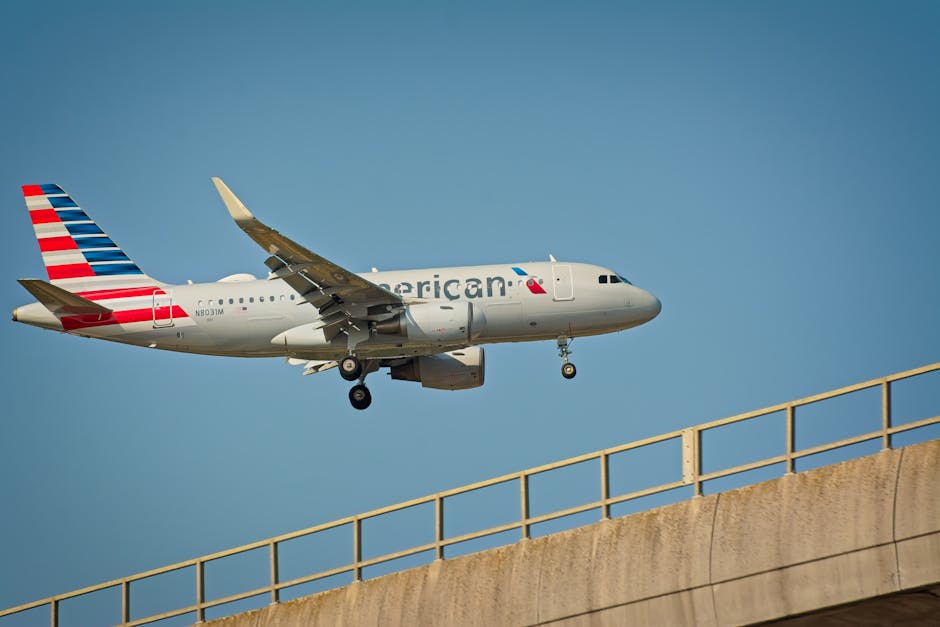
Major U.S. airlines are increasingly focusing on premium services, aiming to attract affluent travelers and boost profits. This shift is prompting comparisons to the Gilded Age, a period in the late 19th century known for economic growth and stark wealth disparities.
Emphasis on Premium Seating
Airlines such as Delta Air Lines, United Airlines, and American Airlines are expanding their premium offerings, including first-class and business-class seats. These carriers are investing in upgraded cabins, enhanced in-flight services, and exclusive airport lounges to appeal to high-spending customers.
Delta CEO Ed Bastian recently stated, “We’re seeing record demand for premium products.” He noted that premium seating now accounts for more than half of the company’s revenue, a significant increase from previous years.
Shifting Revenue Strategies
As airlines recover from the pandemic’s impact, they are focusing on premium travelers who are willing to pay higher fares. United Airlines President Brett Hart remarked, “The demand for premium seats has never been higher.” Airlines are responding by reducing the number of standard economy seats and increasing the space allocated to premium cabins.
American Airlines has announced plans to remove first-class seats from some aircraft in favor of more business-class seating, citing changing customer preferences. The company’s Chief Commercial Officer Vasu Raja explained, “Customers are willing to pay for more space and better service.”
Impact on Economy-Class Passengers
While airlines invest in premium services, some travelers are concerned about the implications for economy-class passengers. Industry analysts note that the focus on premium seating could lead to less space and fewer amenities for those flying in standard economy.
Henry Harteveldt, a travel industry analyst, commented, “We’re seeing a clear divide between those who can afford premium experiences and those who cannot.” He added that the trend mirrors broader economic inequality in the United States.
Historical Comparisons
The current emphasis on luxury air travel has drawn comparisons to the Gilded Age, when opulent train cars and steamships catered to wealthy passengers. Some experts suggest that airlines are embracing a similar model, prioritizing high-margin customers over mass-market travelers.
“It’s reminiscent of the Gilded Age, where the wealthy enjoyed lavish accommodations while others traveled in much less comfort,” said Harteveldt.
Looking Ahead
Airlines maintain that their investments in premium services are a response to customer demand and a strategy to ensure financial stability. However, the growing divide between premium and economy experiences continues to spark debate about the future of commercial air travel in the United States.
For more details, visit the original report at this link.

Other Articles

W Hotels Arrives in Riyadh