





The World Travel & Tourism Council (WTTC) has released findings from a review of 40 years of data, indicating that the global tourism industry has demonstrated resilience and a consistent pattern of recovery following major crises.
Analysis of Past Crises
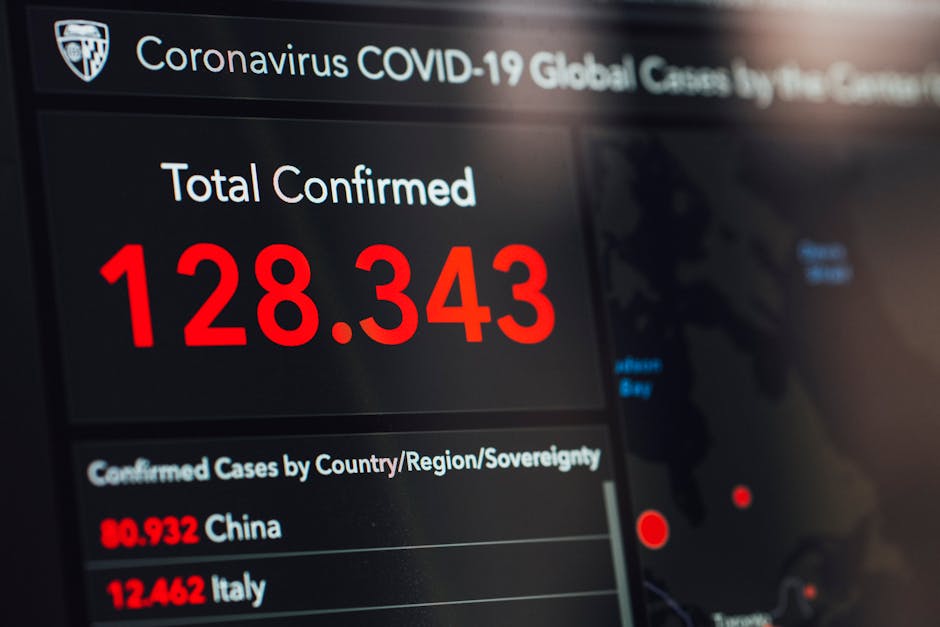
The WTTC’s analysis encompasses a range of disruptive events, including health emergencies, natural disasters, and geopolitical tensions. According to the council, the tourism sector has historically managed to recover from setbacks such as the SARS outbreak in 2003, the global financial crisis of 2008, and the COVID-19 pandemic.
Tourism’s Recovery Timeline
Data compiled by the WTTC shows that, on average, international visitor numbers return to pre-crisis levels within 10 to 34 months after a significant disruption. The council notes that the speed of recovery often depends on the scale and nature of the crisis, as well as the response measures implemented by governments and industry stakeholders.
Statements from WTTC Leadership
Julia Simpson, President and CEO of the WTTC, stated, “Our research demonstrates that the travel and tourism sector is incredibly resilient. Despite facing numerous challenges over the past four decades, the industry has always managed to bounce back.” Simpson emphasized the importance of coordinated action and robust public-private partnerships in accelerating recovery efforts.
Global Economic Impact
The WTTC’s report highlights the significant economic contribution of the tourism sector, which accounted for 10.3% of global GDP and supported 330 million jobs worldwide prior to the COVID-19 pandemic. The council projects a full recovery to pre-pandemic levels by the end of 2024, provided that current trends continue.
Outlook for the Future
The council’s findings suggest that, while the tourism industry remains vulnerable to external shocks, its historical ability to rebound offers optimism for future growth. The WTTC continues to advocate for policies that support sustainable tourism and enhance the sector’s capacity to withstand future crises.