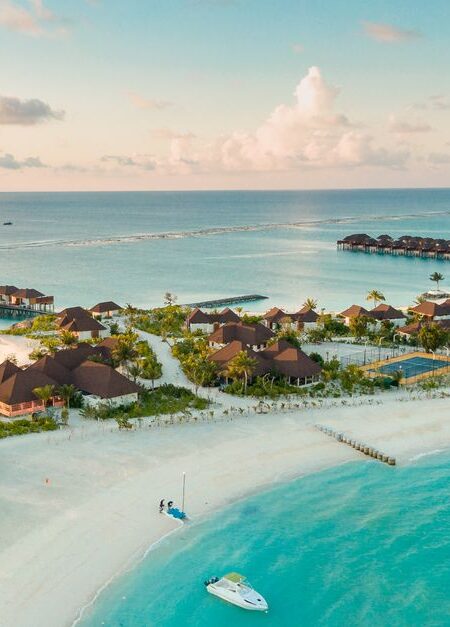





For decades, the luxury hospitality sector has been defined by opulent accommodations, attentive service, and exclusive amenities. However, evolving traveler preferences are now shifting the industry’s focus toward immersive, experience-driven offerings.
Changing Guest Expectations
Today’s luxury travelers are increasingly seeking personalized experiences that go beyond traditional notions of comfort and extravagance. According to industry experts, guests are prioritizing authentic cultural engagement, unique adventures, and meaningful connections with local communities over material luxury alone.
“The definition of luxury is evolving,” said a spokesperson for a leading hospitality brand. “Guests want to feel part of the destination, not just observers.”
Emphasis on Personalization and Local Integration
To meet these changing demands, luxury hotels and resorts are investing in curated experiences tailored to individual interests. This includes private culinary tours, guided explorations of historical sites, and opportunities to participate in local traditions. Many properties are also collaborating with regional artisans and cultural organizations to offer guests exclusive access to events and workshops.
“We’re seeing a growing desire for experiences that are both exclusive and authentic,” noted a hospitality consultant. “Personalization is key.”
Technology’s Role in Enhancing Experiences
Advancements in technology are enabling luxury hospitality providers to deliver more customized and seamless experiences. Digital platforms allow guests to personalize their itineraries, request bespoke services, and access real-time recommendations. Some hotels are leveraging artificial intelligence to anticipate guest preferences and enhance service delivery.
“Technology is a powerful tool for creating memorable, individualized journeys,” said a hotel executive. “It allows us to anticipate needs and exceed expectations.”
Sustainability and Social Responsibility
Alongside immersive experiences, sustainability and responsible tourism are becoming central to luxury hospitality. Many travelers now consider environmental impact and community engagement when choosing accommodations. As a result, luxury brands are implementing eco-friendly practices, supporting local economies, and offering experiences that promote conservation and cultural preservation.
“Sustainability is no longer optional,” stated an industry analyst. “It’s an integral part of the luxury experience.”
Looking Ahead
As the luxury hospitality landscape continues to evolve, industry leaders anticipate that immersive, experience-driven travel will remain at the forefront. By prioritizing personalization, cultural authenticity, and sustainability, luxury providers aim to create lasting memories that resonate with modern travelers.