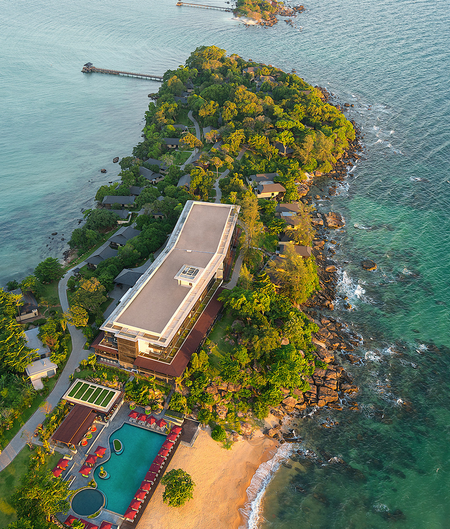






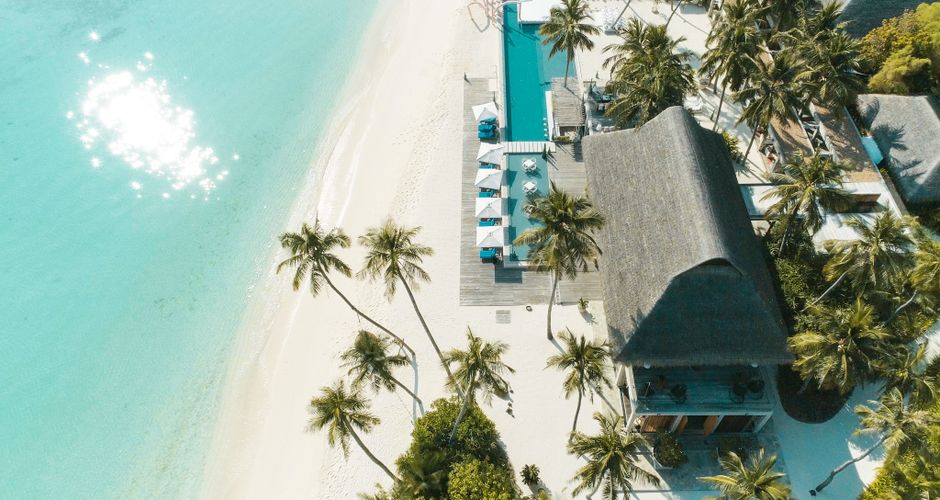
Asia’s high-end villas and boutique hotels are renowned for their distinctive aesthetic, yet the creative minds responsible for these designs often remain out of the spotlight. The visual appeal of these properties is the result of a meticulous process involving skilled artisans, designers, and architects who collaborate to create unique environments.
Designers Working Behind the Scenes
While guests may admire the intricate details and harmonious layouts, the individuals who shape these spaces typically do so without public recognition. According to industry professionals, the design process involves a deep understanding of local culture, materials, and traditions, which are then integrated into the overall concept of each property.
Blending Tradition and Modernity
Many luxury villas and boutique hotels in Asia strive to balance traditional craftsmanship with contemporary design. This approach is evident in the use of locally sourced materials, such as wood, stone, and textiles, which are combined with modern architectural elements. The result is a blend of old and new that appeals to discerning travelers seeking authenticity and comfort.
Collaboration with Local Artisans
Designers frequently partner with local artisans to incorporate handcrafted elements into their projects. These collaborations can include custom-made furniture, handwoven fabrics, and bespoke decorative pieces. Such partnerships not only support local communities but also ensure that each property maintains a distinct identity.
Attention to Detail
The design process for luxury accommodations often involves careful consideration of every detail, from lighting and color schemes to the arrangement of furniture. Industry experts note that this level of attention is essential for creating spaces that are both visually appealing and functional for guests.
Recognition and Influence
Although the designers and artisans behind these projects may not always receive public acknowledgment, their influence is evident in the growing popularity of Asia’s luxury hospitality sector. The unique visual language they have established continues to attract travelers from around the world.