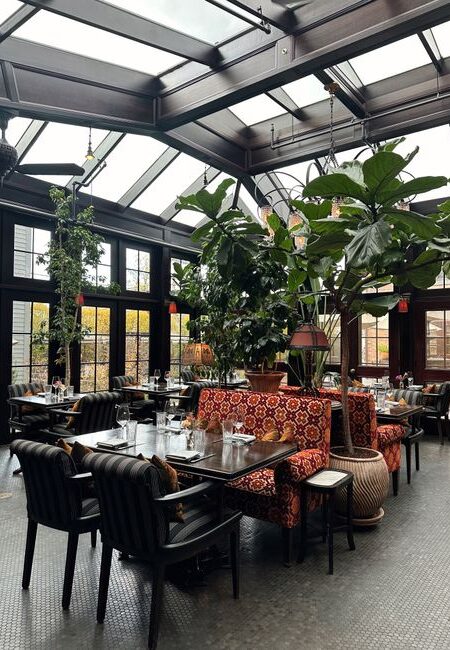







Thailand is experiencing a significant increase in luxury hotel developments, yet a shortage of willing sellers is complicating the market for investors seeking to acquire high-end properties.
Growing Demand for Premium Hotels
As international travel rebounds, Thailand’s tourism sector is witnessing a surge in demand for upscale accommodations. According to data from property consultancy JLL, the number of luxury hotel rooms in the country is projected to rise by 22% between 2023 and 2027. This growth is driven by both new developments and renovations of existing properties.
Limited Availability of Properties for Sale
Despite heightened interest from investors, few owners are putting their luxury hotels on the market. JLL reports that in 2023, only $300 million worth of hotel assets were sold in Thailand, a figure well below the annual average of $700 million recorded before the pandemic. The reluctance to sell is attributed to expectations of rising property values and improved tourism revenues.
Investor Interest Remains Strong
International investors, particularly from the Middle East and Europe, have shown strong interest in acquiring Thai luxury hotels. However, the limited supply of available assets has led to increased competition and higher prices for the few properties that do come to market. “There’s a lot of capital chasing very few deals,” said Nihat Ercan, CEO of JLL Hotels & Hospitality Group Asia Pacific.
Owners Anticipate Higher Returns
Many hotel owners are choosing to hold onto their properties, anticipating that the ongoing recovery in tourism will boost profits and property values. According to JLL, average daily rates for luxury hotels in Thailand have already surpassed pre-pandemic levels, further encouraging owners to retain their assets.
Market Outlook
Industry analysts suggest that unless more owners decide to sell, the scarcity of available luxury hotels will persist, maintaining upward pressure on prices. The trend is expected to continue as Thailand’s tourism sector expands and investor interest remains robust.

Other Articles