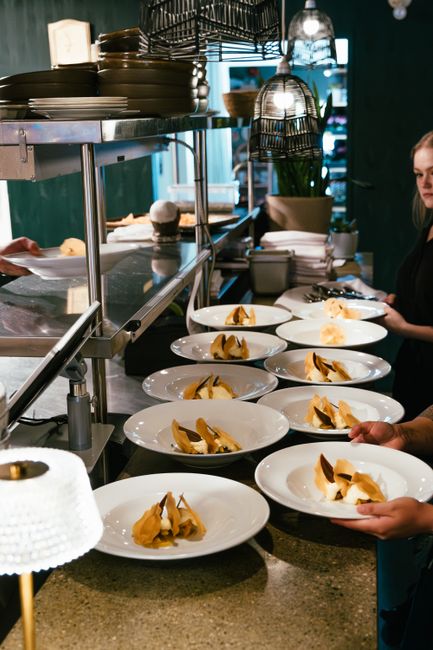






Luxury hotels in Italy are increasingly emphasizing their food and beverage services as a means to attract guests and enhance their overall experience. This approach comes as the hospitality sector seeks new ways to differentiate itself in a competitive market.
Shifting Strategies in the Hospitality Industry
High-end hotels across Italy are investing in their culinary programs, introducing renowned chefs and unique dining concepts to appeal to both travelers and local residents. Industry leaders note that these enhancements are designed to provide guests with memorable experiences beyond traditional accommodations.
Examples of Culinary Investments
Several luxury properties have recently launched new restaurants or revamped existing ones. These initiatives often include partnerships with celebrated chefs and the introduction of menus that highlight regional Italian cuisine. Such efforts are intended to draw attention from both international visitors and the local community.
Industry Perspectives
According to hospitality executives, the focus on food and beverage is a response to evolving guest preferences. Many travelers now seek immersive experiences that include high-quality dining as a central component of their stay. This trend has prompted hotels to allocate more resources to their culinary operations.
Impact on Business Performance
Hotel representatives report that investments in food and beverage have contributed to increased guest satisfaction and, in some cases, higher occupancy rates. The enhanced dining options are also seen as a way to generate additional revenue streams, particularly from non-resident patrons.
Looking Ahead
As competition within the luxury hospitality sector intensifies, Italian hotels are expected to continue prioritizing their food and beverage offerings. Industry observers suggest that this strategy will remain central to efforts aimed at distinguishing properties and meeting the expectations of discerning guests.