





As summer draws to a close, travelers and businesses are preparing for the arrival of the shoulder season, a period between the peak and off-peak travel times. This transitional phase is often characterized by fewer crowds, lower prices, and milder weather, making it an appealing option for many vacationers.
Travel Trends Shift with the Season
Tourism industry experts note that the shoulder season, which typically follows the busy summer months, offers unique advantages for both travelers and destinations. “It’s a great time to travel if you’re looking for value and a more relaxed experience,” said a spokesperson for a major travel agency.
During this period, popular destinations often see a decrease in visitor numbers, resulting in shorter lines at attractions and more availability at hotels and restaurants. Airlines and accommodation providers may also offer discounts to attract guests during this less crowded time.
Economic Impact on Local Businesses
Local businesses in tourist areas often rely on the shoulder season to maintain steady revenue after the summer rush. Many establishments adjust their hours or services to accommodate the changing demand, while still welcoming visitors who prefer to avoid peak season crowds.
“We see a different type of traveler in the shoulder season—people who are looking for a quieter experience and are often more interested in local culture,” said a hotel manager in a popular coastal town.
Weather and Activities
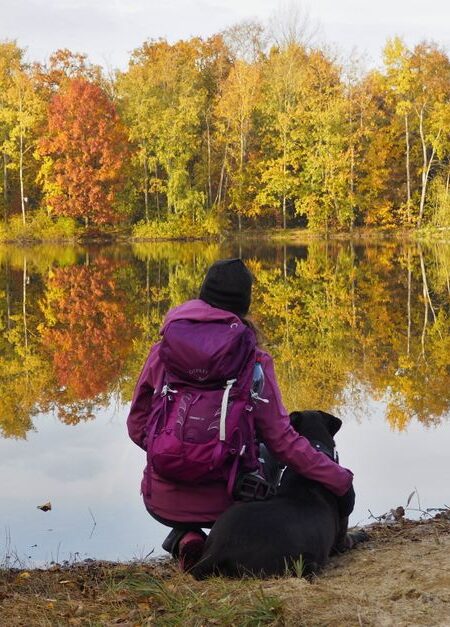
The shoulder season is frequently marked by moderate temperatures and fewer weather extremes, which can enhance outdoor activities such as hiking, cycling, and sightseeing. However, travelers are encouraged to check local forecasts and plan accordingly, as conditions can vary by region.
Looking Ahead
As the shoulder season begins, both travelers and industry professionals anticipate a shift in travel patterns. With the promise of fewer crowds and potential savings, this period continues to attract those seeking a different pace from the summer months.