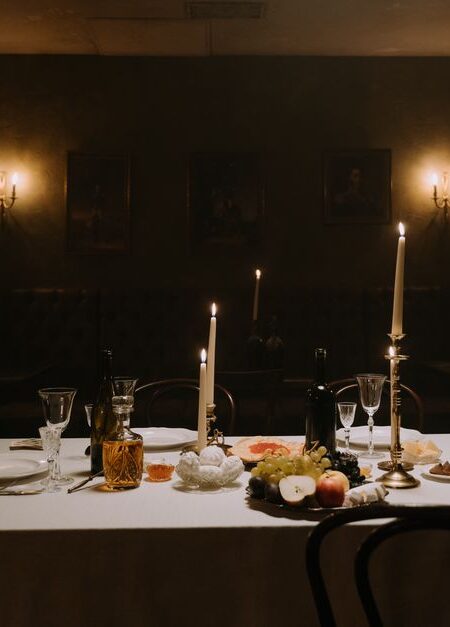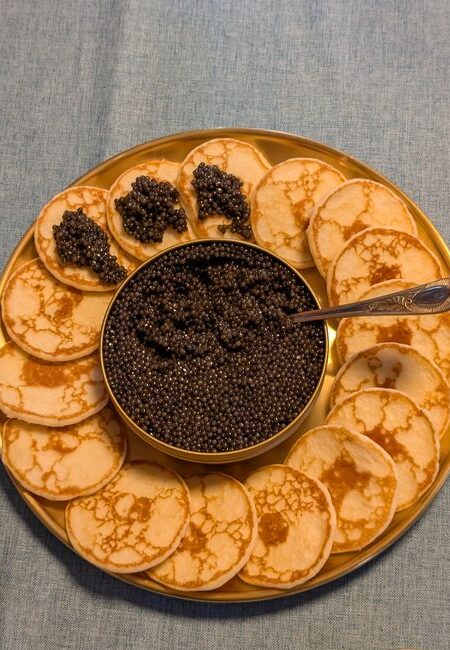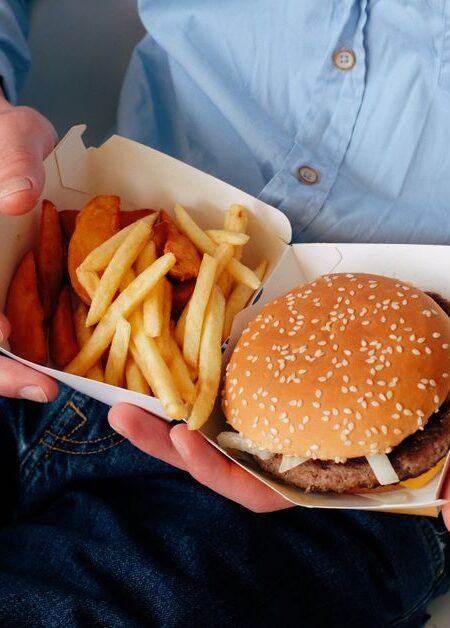





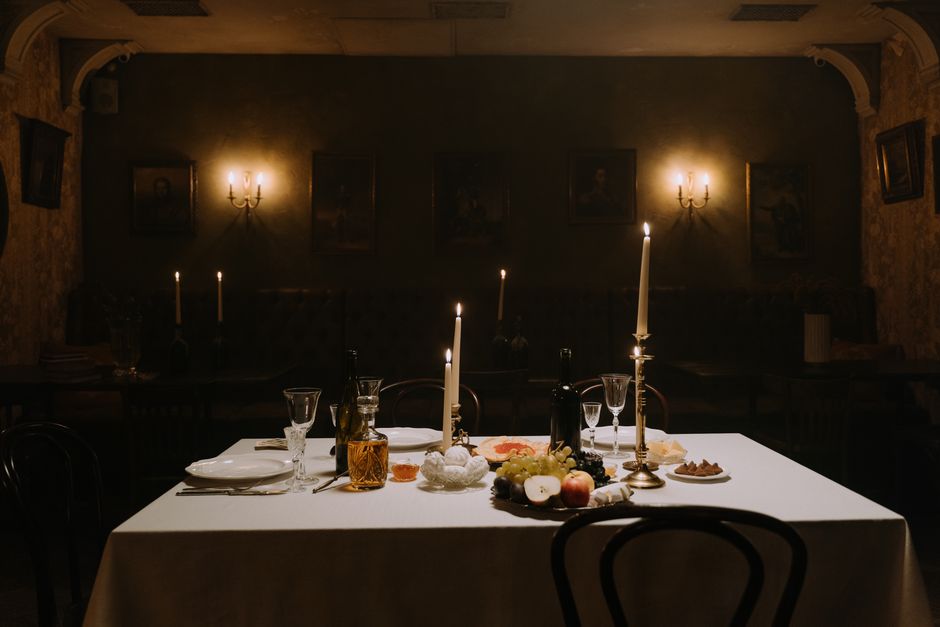
For years, the debate around the future of fine dining has persisted, with some suggesting that the era of elaborate tasting menus and formal service is coming to a close. However, industry professionals argue that focusing solely on whether fine dining is “dead” overlooks broader shifts in the restaurant landscape.
Changing Consumer Preferences
Recent years have seen diners increasingly gravitate toward more casual and flexible dining experiences. According to restaurant owners and chefs, guests are now seeking environments that prioritize comfort and approachability over traditional formality. “People want to have a good time, but they don’t want to feel intimidated,” said one chef, emphasizing the importance of atmosphere in attracting modern patrons.
Economic Pressures and Industry Adaptation
Rising costs and ongoing labor shortages have also contributed to changes in how high-end restaurants operate. Many establishments have adjusted by offering shorter menus, reducing staff, or reimagining their service models. Some have even introduced more accessible price points to appeal to a wider audience. Despite these adaptations, industry insiders maintain that the core values of fine dining—exceptional food, service, and hospitality—remain relevant.
Innovation Within Tradition
Rather than disappearing, fine dining is evolving. Chefs and restaurateurs are experimenting with new formats, such as chef’s counters and tasting menu pop-ups, to keep the experience fresh. “We’re not getting rid of fine dining; we’re redefining it,” explained a restaurant owner. These innovations aim to preserve the essence of fine dining while meeting the expectations of today’s diners.
Looking Ahead
While the traditional model of fine dining may be undergoing transformation, experts agree that its spirit endures. The question, they suggest, is not whether fine dining is dead, but how it will continue to adapt in a changing world.
Read more at this link.

Other Articles
Barcelona in October: Fewer Crowds, Warm Sea, Real Life