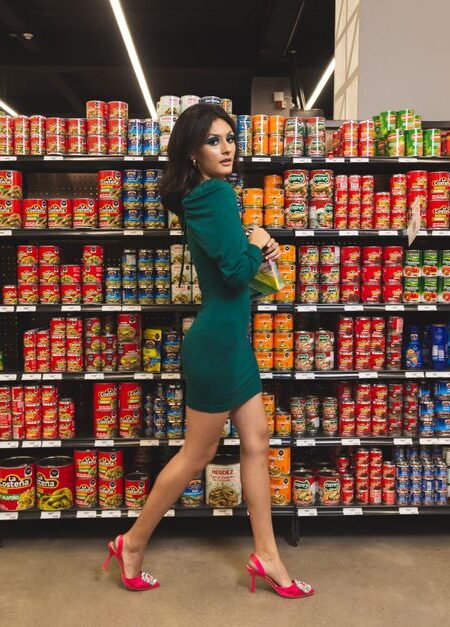




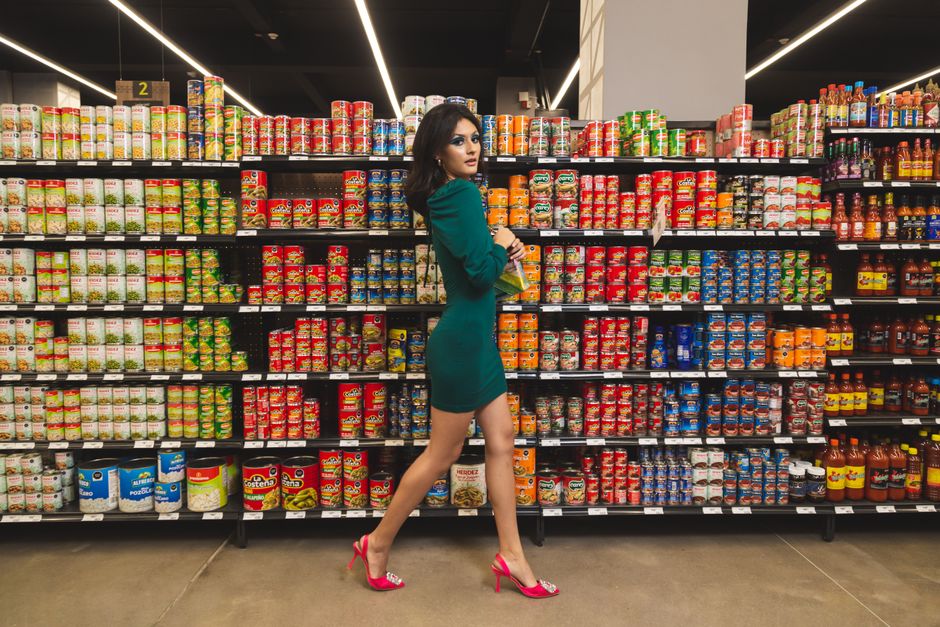
Upscale grocery stores have increasingly adopted a style and approach reminiscent of Erewhon, a well-known Los Angeles-based market recognized for its premium products and curated atmosphere. This trend, often referred to as the “Erewhonification” of grocery retail, has seen high-end markets across the country emulating Erewhon’s aesthetic and product selection.
Expansion of the Erewhon Model
Grocery stores in various urban centers are now incorporating design elements, product offerings, and branding strategies similar to those found at Erewhon. These stores often feature organic produce, specialty health items, and exclusive prepared foods, aiming to attract a clientele seeking both luxury and wellness. The emphasis on curated experiences and high-quality goods has become a defining characteristic of this movement.
Consumer Response and Market Impact
The proliferation of Erewhon-inspired stores has generated mixed reactions among shoppers. While some consumers appreciate the focus on premium ingredients and unique products, others express concerns about accessibility and affordability. The high price points associated with these markets have sparked discussions regarding inclusivity and the broader impact on local food culture.
Industry Observations
Industry analysts note that the Erewhon model has influenced not only independent grocers but also larger chains seeking to capture a share of the upscale market. The adoption of similar branding, store layouts, and product lines reflects a shift in consumer expectations and retail strategies. However, questions remain about the sustainability of this trend and its long-term effects on the grocery sector.
Looking Ahead
As more grocery stores adopt the Erewhon approach, the debate continues over its implications for shoppers and the industry as a whole. The balance between exclusivity and accessibility remains a central issue as retailers navigate evolving consumer preferences and market dynamics.

Other Articles

Presidential turkeys get luxury hotel stay before White House visit
Bookings growth and the dominance of luxury