





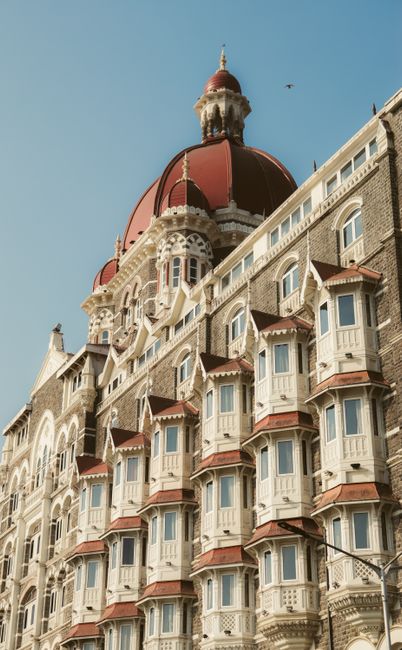
India’s high-end hotel industry, which was already experiencing strong performance, has received additional momentum after a recent endorsement from the country’s prime minister.
Prime Minister’s Influence on Hospitality Industry
Prime Minister Narendra Modi’s stay at the Taj Exotica Resort & Spa in Goa during the G20 summit in September brought significant attention to India’s luxury hospitality sector. The prime minister’s choice of accommodation was widely covered in the media, highlighting the country’s premium hotel offerings.
Strong Performance Prior to Endorsement
Before the prime minister’s stay, India’s luxury hotels had already been reporting robust occupancy rates and revenue growth. According to data from hospitality analytics firm STR, the average daily rate for luxury hotels in India increased by 33% in the first half of 2023 compared to the same period in 2019. Occupancy rates in the segment also rose to 65% during this period, up from 62% in 2019.
Industry Leaders Note Increased Interest
Industry executives have observed a noticeable uptick in interest following the prime minister’s visit. Puneet Chhatwal, managing director and CEO of Indian Hotels Company Limited (IHCL), stated, “The visibility given to Indian hospitality by the prime minister’s stay has been immense.” IHCL operates the Taj Exotica Resort & Spa, where the prime minister stayed.
International and Domestic Demand
Both international and domestic travelers have contributed to the sector’s growth. The G20 summit and other high-profile events have attracted foreign visitors, while domestic tourism has remained strong. According to the Federation of Hotel & Restaurant Associations of India (FHRAI), the luxury segment has benefited from increased travel by Indian citizens, particularly for leisure and business purposes.
Outlook for the Luxury Hotel Market
Industry analysts expect the positive trend to continue, with several new luxury hotel projects underway across major cities and tourist destinations. The sector’s expansion is supported by rising disposable incomes and a growing preference for premium experiences among Indian consumers.
Further Information
For more details, visit the original report at this link.