





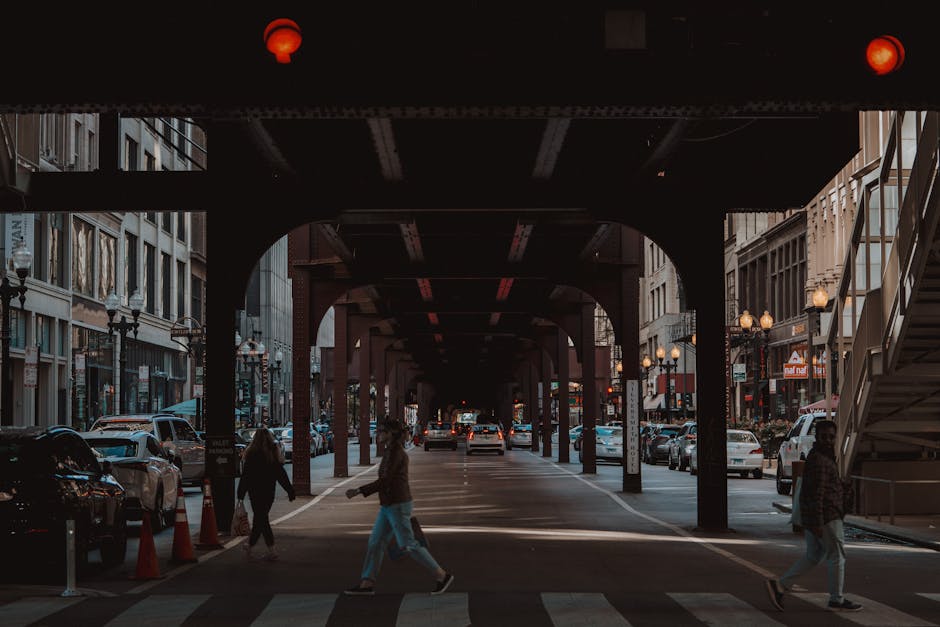
In Chicago, the concept of entertainment travel has shifted from being a simple means of commuting to becoming a comprehensive lifestyle experience. This transformation is evident in the way residents and visitors now engage with the city’s transportation options, integrating leisure and culture into their journeys.
Transportation Meets Entertainment
Chicago’s public transit system, once primarily focused on efficiency and utility, has increasingly incorporated elements of entertainment and social interaction. Riders on the ‘L’ trains and city buses can now encounter live music performances, pop-up art installations, and themed events that turn routine trips into memorable experiences.
“It’s not just about getting from point A to point B anymore,” said local resident Mark Johnson. “The journey itself has become part of the fun.”
Venues and Events Along Transit Lines
Many entertainment venues in Chicago are strategically located near major transit lines, making it easier for people to attend concerts, theater performances, and sporting events without relying on personal vehicles. The city’s extensive network of trains and buses has played a significant role in supporting the growth of these destinations.
According to the Chicago Transit Authority, ridership spikes are often observed during major events, such as music festivals and playoff games. This trend has encouraged event organizers to collaborate with transit authorities, offering special passes and late-night service to accommodate attendees.
Leisure-Focused Transit Initiatives
In recent years, several initiatives have been launched to enhance the leisure aspect of travel in Chicago. For example, the CTA’s “Holiday Train” features festive decorations and onboard entertainment during the winter season. Similarly, river cruises and sightseeing buses provide guided tours that blend transportation with cultural exploration.
These offerings have become popular among both tourists and locals, contributing to a broader shift in how people perceive mobility within the city.
Impact on Local Businesses
The integration of entertainment and travel has also benefited local businesses situated near transit hubs. Restaurants, bars, and retail shops report increased foot traffic as travelers seek out experiences before and after their commutes.
“We’ve definitely seen more customers who are making a day out of their trip,” said Sarah Lee, manager of a café near Union Station. “They’re not just passing through—they’re staying to enjoy what the neighborhood has to offer.”
Looking Ahead
As Chicago continues to develop its transportation infrastructure, city planners and transit officials are exploring additional ways to enhance the entertainment value of travel. Upcoming projects include expanded bike-share programs, interactive digital displays at stations, and partnerships with local artists to create immersive environments for riders.