





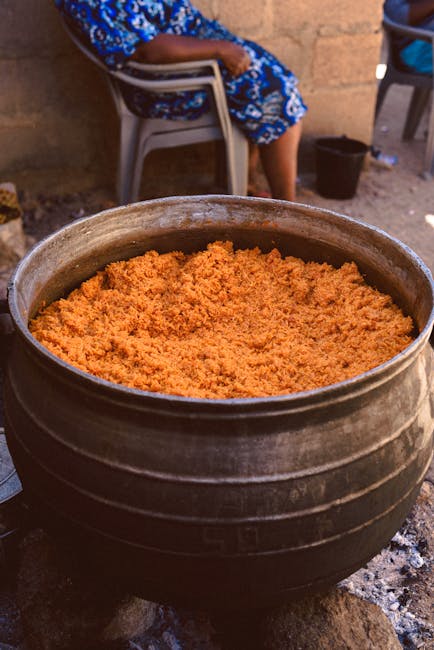
Jollof rice, once a common meal for families across Nigeria, has seen its cost rise significantly, making it less accessible to many households.
Escalating Costs Affect Nigerian Households
For generations, jollof rice has been a staple dish in Nigeria, enjoyed at family gatherings and celebrations. However, the increasing price of essential ingredients has made it difficult for many families to prepare the dish as frequently as before.
“We used to cook jollof rice almost every Sunday,” said Lagos resident Chinyere Okafor. “Now, it’s become something we can only afford on special occasions.”
Ingredient Prices Reach New Highs
The main components of jollof rice—rice, tomatoes, onions, and cooking oil—have all experienced significant price hikes. According to market vendors, the cost of a bag of rice has more than doubled over the past year. Tomatoes and onions, both crucial for the dish’s flavor, have also seen sharp increases.
“A basket of tomatoes that sold for 5,000 naira last year now costs over 20,000 naira,” said market trader Musa Ibrahim. “Customers complain, but there’s nothing we can do.”
Economic Factors Behind the Price Surge
Several factors have contributed to the rising prices. The depreciation of the naira, disruptions in supply chains, and increased transportation costs have all played a role. Additionally, insecurity in some farming regions has affected agricultural production, further limiting the supply of key ingredients.
“Transporting goods from the north to Lagos now costs much more due to fuel prices and security concerns,” explained food distributor Aisha Lawal.
Impact on Daily Life and Culture
The rising cost of jollof rice ingredients has affected not only household budgets but also cultural traditions. Many families now reserve the dish for special events, such as weddings and holidays, rather than enjoying it as a regular meal.
“Jollof rice is part of our identity,” said Abuja resident Emeka Nwosu. “It’s sad that something so central to our culture is becoming a luxury.”
Outlook Remains Uncertain
With no immediate relief in sight, many Nigerians are adjusting their eating habits and seeking alternative meals. Some hope that government interventions or improvements in the economy will eventually make jollof rice affordable again for the average family.