





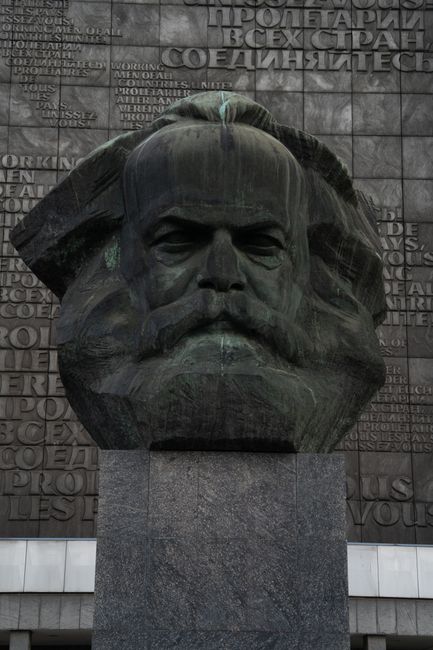
Hasan Piker, a prominent political commentator and online streamer, has drawn attention for his luxurious way of living, which some observers suggest stands in contrast to the Marxist ideals he frequently discusses. Piker, known for his left-leaning commentary on platforms such as Twitch and YouTube, has amassed a significant following and substantial income through his online presence.
Public Scrutiny Over Real Estate Purchases
Piker’s acquisition of a $2.7 million home in West Hollywood has been a focal point of public debate. Critics have questioned whether such a purchase aligns with the anti-capitalist views he often promotes. Piker has addressed these concerns during his broadcasts, stating that his personal financial decisions do not undermine his political beliefs. He maintains that his success is a result of operating within the current economic system, which he continues to critique.
Income Sources and Online Influence
Piker’s revenue streams include subscriptions, donations, and advertising on his Twitch channel, as well as sponsorships and merchandise sales. According to data from TwitchTracker, he consistently ranks among the platform’s top streamers, with tens of thousands of viewers tuning in to his daily broadcasts. His content covers a range of topics, from current events to political analysis, and he frequently engages with his audience in real time.
Reactions From Supporters and Critics
Supporters of Piker argue that his wealth does not negate his advocacy for systemic change, emphasizing that individuals can critique capitalism while participating in it. Detractors, however, contend that his lifestyle is inconsistent with the principles he espouses. The debate has sparked broader conversations about the relationship between personal wealth and political ideology among public figures.
Continuing Debate on Ideals and Reality
The discussion surrounding Piker’s lifestyle highlights ongoing tensions between personal success and ideological consistency. As public figures navigate their roles within the systems they critique, questions about authenticity and integrity remain at the forefront of public discourse.

Other Articles
Can New Zealand stop supermarkets charging ‘excessive’ prices?