





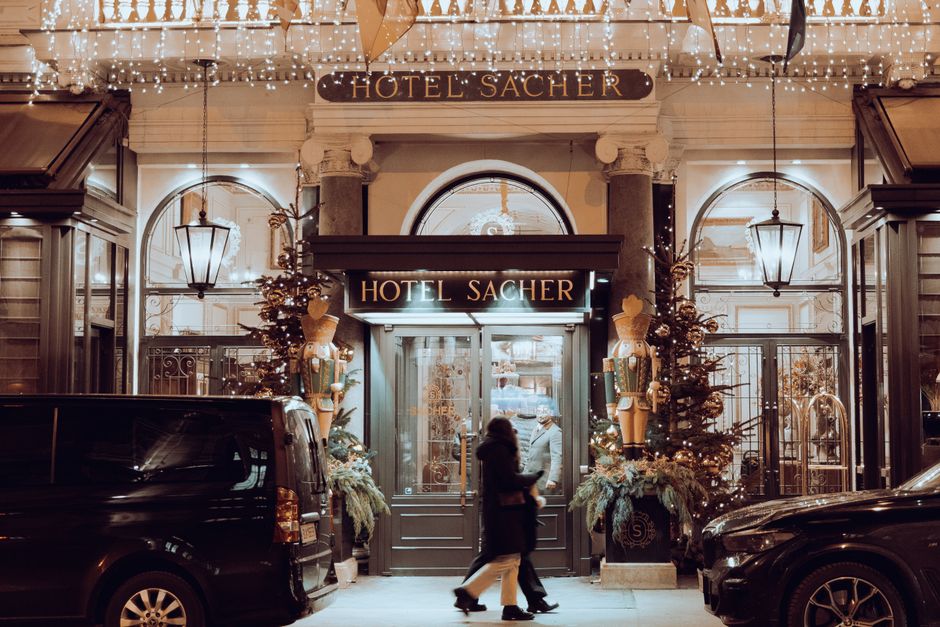
For decades, traditional hotels have been the standard choice for travelers seeking accommodation. However, recent trends indicate a significant shift in consumer preferences, with alternative lodging options gaining momentum worldwide.
Changing Preferences Among Travelers
Travelers are increasingly opting for alternatives such as vacation rentals, boutique guesthouses, and homestays. According to industry analysts, platforms like Airbnb and Vrbo have experienced substantial growth, reflecting a move away from conventional hotel stays. Data from the Global Lodging Report shows that bookings for alternative accommodations rose by 18% in 2023, while hotel bookings increased by just 3% during the same period.
Factors Driving the Shift
Several factors contribute to this transformation in the hospitality sector. Flexibility, unique experiences, and competitive pricing are among the main reasons travelers cite for choosing non-traditional lodging. “Guests are looking for more personalized and authentic experiences that hotels often cannot provide,” said travel industry consultant Maria Lopez. She added that the ability to book entire homes or apartments appeals to families and groups seeking privacy and convenience.
Impact on the Hotel Industry
The rise of alternative accommodations has prompted traditional hotels to adapt their offerings. Many hotel chains are introducing new brands and services aimed at attracting younger travelers and those seeking distinctive experiences. Some properties have launched apartment-style suites and curated local experiences to remain competitive. Despite these efforts, industry experts warn that hotels may continue to lose market share if they do not innovate further.
Future Outlook
Analysts predict that the trend toward alternative lodging will persist as travelers prioritize flexibility and value. The hospitality sector is expected to evolve, with both traditional hotels and new accommodation providers competing to meet changing consumer demands. The long-term effects on the hotel industry remain uncertain, but the current trajectory suggests a continued departure from traditional hotel stays.