






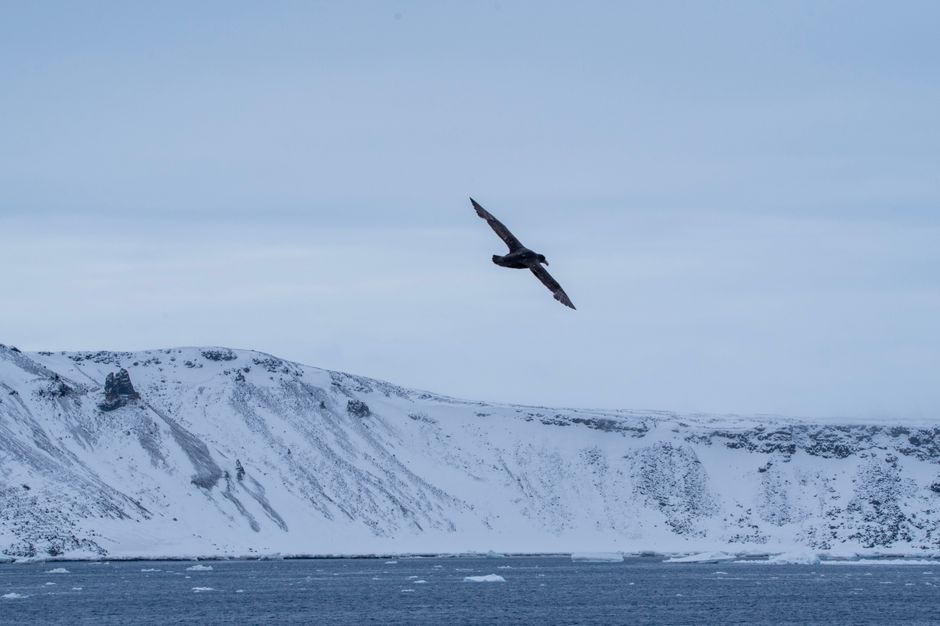
Antarctica, once accessible only to scientists and explorers, has seen a significant rise in tourism in recent years. The continent’s remote and pristine environment continues to attract travelers seeking unique experiences. However, the way visitors reach the southernmost continent is undergoing change, with new options shaping the future of Antarctic travel.
Traditional Sea Voyages Across the Drake Passage
Historically, most tourists journeyed to Antarctica by ship, departing from Ushuaia, Argentina, and crossing the Drake Passage. This stretch of water, known for its rough seas, spans approximately 600 miles between South America and the Antarctic Peninsula. The crossing typically takes two days each way, with travelers often experiencing turbulent conditions.
For many, the challenge of the Drake Passage is part of the adventure. “It’s a rite of passage,” said expedition leader Maria Vasquez. “The crossing creates a sense of accomplishment and anticipation for what lies ahead.”
Growth in Fly-Cruise Options
In recent years, fly-cruise itineraries have become increasingly popular. These trips allow passengers to fly from Punta Arenas, Chile, to King George Island, bypassing the Drake Passage entirely. Once on the island, travelers board expedition vessels to explore the Antarctic Peninsula.
This alternative appeals to those seeking to avoid the unpredictable seas. According to tour operators, fly-cruise bookings have risen steadily. “We’ve seen a 30% increase in demand for fly-cruise programs over the past five years,” said travel consultant James Lee.
Environmental and Logistical Considerations
The expansion of fly-cruise options has prompted discussion about the environmental impact of increased air traffic to Antarctica. Conservationists express concerns about emissions and the potential effects on the fragile ecosystem. Operators emphasize their commitment to minimizing environmental footprints and adhering to international guidelines.
Logistically, flights to King George Island are subject to weather delays, as conditions can change rapidly. “Flexibility is key when traveling to Antarctica,” noted Vasquez. “Weather can affect both sea and air routes.”
Future of Antarctic Tourism
As interest in Antarctic travel grows, the industry continues to adapt. New vessels, improved infrastructure, and evolving itineraries are shaping the visitor experience. Tour operators anticipate further innovation in response to demand and environmental considerations.