






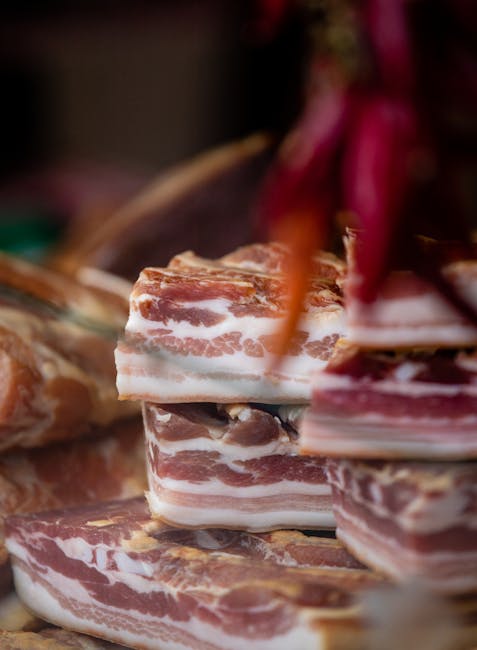
Bacon, once considered a common breakfast food, has increasingly become viewed as a luxury item in recent years. Factors such as rising production costs, supply chain disruptions, and increased consumer demand have contributed to this shift, impacting both prices and availability.
Rising Costs and Supply Issues
Over the past decade, the price of bacon has steadily increased. According to industry analysts, the cost of pork belly, which is used to make bacon, has risen due to higher feed prices and labor shortages. Additionally, global supply chain challenges have made it more difficult for producers to maintain consistent inventory levels, further driving up costs.
Changing Consumer Trends
Consumer preferences have also played a role in bacon’s transformation into a premium product. There has been a growing demand for specialty bacon varieties, such as organic, nitrate-free, and artisanal options. These products often command higher prices, reflecting both their production methods and the willingness of consumers to pay more for perceived quality.
Industry Response
Producers and retailers have responded to these changes by adjusting their offerings. Some companies have introduced new product lines targeting niche markets, while others have focused on improving supply chain efficiency to manage costs. Despite these efforts, many consumers have noticed the impact at the checkout counter, with bacon prices reaching record highs in some regions.
Outlook for the Future
Experts suggest that bacon is likely to remain a sought-after item, though its status as a staple may continue to wane as prices stay elevated. The industry is expected to keep adapting to changing market conditions, with ongoing innovations in production and product variety.