





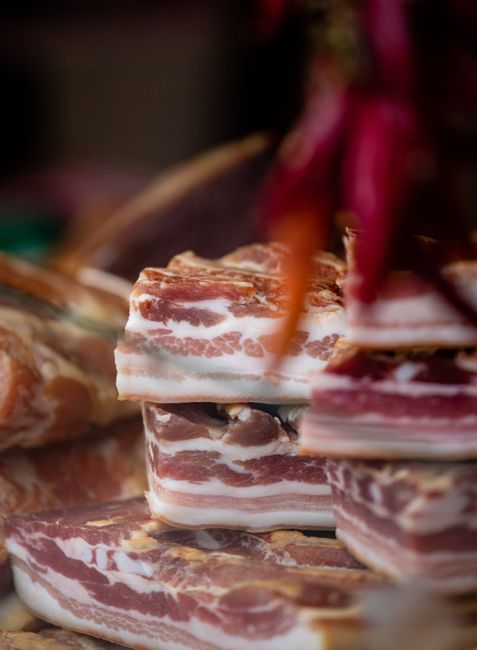
Bacon, once a common feature in many households, has increasingly become a high-priced food item. Rising production costs and shifts in consumer demand have contributed to this transformation, making bacon less accessible for some shoppers.
Significant Increase in Prices
According to recent data, the cost of bacon has seen a notable rise over the past decade. In 2014, the average price for a pound of sliced bacon in the United States was approximately $5.45. By 2024, this figure had climbed to around $7.61 per pound, reflecting a price jump of nearly 40 percent.
Factors Behind Higher Costs
Several elements have played a role in driving up bacon prices. Increases in feed costs, labor expenses, and transportation have all contributed to the higher retail price. Additionally, supply chain disruptions and disease outbreaks among hog populations have affected pork production, further influencing costs.
Changing Consumer Habits
Despite the price increases, bacon remains popular among consumers. However, some shoppers are now purchasing bacon less frequently or choosing alternative products. The higher cost has led certain households to view bacon as an occasional treat rather than a staple food item.
Industry Response
Producers and retailers have responded to these changes by offering a wider range of bacon products, including premium and specialty varieties. Some companies have introduced smaller package sizes to accommodate shoppers seeking to manage their grocery budgets.
Outlook for Bacon Prices
Analysts indicate that bacon prices may remain elevated in the near future, as many of the factors affecting production costs are ongoing. The industry continues to monitor market conditions and consumer preferences as it adapts to the evolving landscape.