




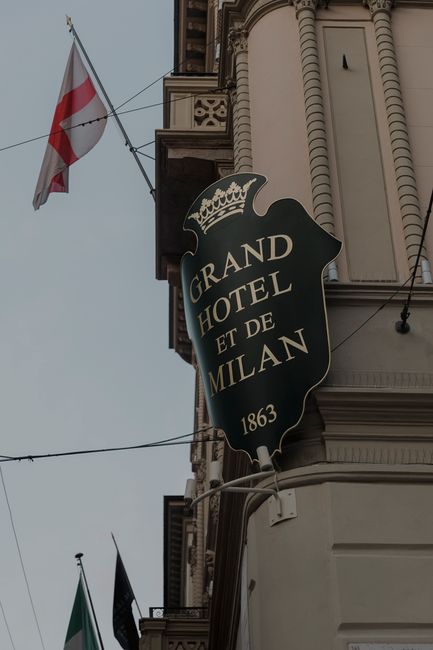
Lavish hotels that once symbolized the opulence of the Gilded Age are witnessing a resurgence, as historic properties across the United States undergo restoration and reopen to guests seeking luxury and nostalgia.
Historic Hotels Regain Prominence
Throughout the late 19th and early 20th centuries, grand hotels were constructed to cater to wealthy travelers, offering amenities such as ballrooms, fine dining, and elaborate architecture. Many of these establishments, which had fallen into disrepair or closed over the decades, are now being restored to their former grandeur.
Restoration Efforts Across the Country
Recent years have seen a wave of renovations at several iconic hotels. The Hotel del Coronado in California, for example, has undergone a $400 million restoration, updating guest rooms and public spaces while preserving its Victorian-era charm. In New York, the Plaza Hotel has completed a series of refurbishments, maintaining its historic features while introducing modern conveniences.
Balancing Heritage and Modernity
Restoration projects often involve careful planning to retain original details such as ornate ceilings, marble floors, and antique fixtures. At the same time, hotel operators are adding contemporary amenities, including spas, updated technology, and new dining options, to appeal to today’s travelers.
Economic and Cultural Impact
The revival of these grand hotels has contributed to local economies by creating jobs and attracting tourists. Preservationists note that restoring historic hotels also helps maintain the architectural heritage of cities and towns, offering guests a unique connection to the past.
Continued Interest in Historic Luxury
Travelers are increasingly drawn to the experience of staying in properties with storied pasts. According to industry analysts, occupancy rates at renovated historic hotels have risen, reflecting a growing demand for accommodations that blend history with luxury.

Other Articles
Luxury hotel looks to add location on Campus Corner