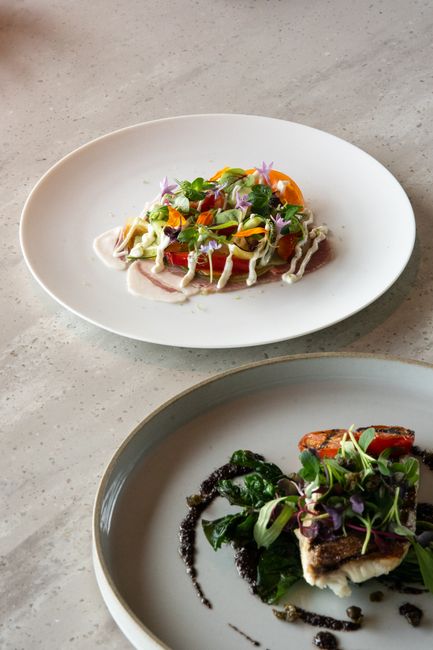







When it comes to fine dining, the menu is often a carefully curated selection of dishes that reflect the chef’s artistry and the restaurant’s prestige. However, there’s one type of steak that is conspicuously absent from many high-end menus: the ribeye. While this cut is beloved by many for its rich flavor and tenderness, it’s often overlooked in fine dining establishments. But why?
One reason for this snobbish avoidance is the perception of ribeye as a more casual, everyday steak. In the world of fine dining, where exclusivity and sophistication reign supreme, ribeye may not fit the bill. Chefs often prefer to showcase more refined cuts like filet mignon or wagyu beef, which are associated with luxury and high price points.
Additionally, ribeye steaks can be quite fatty, which some fine dining purists may view as less desirable. The aesthetic of a perfectly cooked filet mignon, with its lean profile and elegant presentation, is often more appealing to diners looking for a high-end experience. This focus on presentation and perceived quality can lead to the exclusion of ribeye from menus that aim to impress.
Furthermore, the culinary world is heavily influenced by trends and perceptions of what is considered ‘gourmet.’ As chefs strive to create unique and innovative dishes, they may shy away from traditional cuts like ribeye in favor of more exotic or trendy options. This trend-driven approach can leave ribeye in the shadows, despite its undeniable flavor and popularity among steak lovers.
In conclusion, while ribeye is a delicious and satisfying choice for many, its absence from fine dining menus reflects a broader trend of snobbery and elitism in the culinary world. As diners become more adventurous and open to diverse cuts of meat, perhaps we will see a shift in this trend, allowing ribeye to reclaim its rightful place on the fine dining stage.