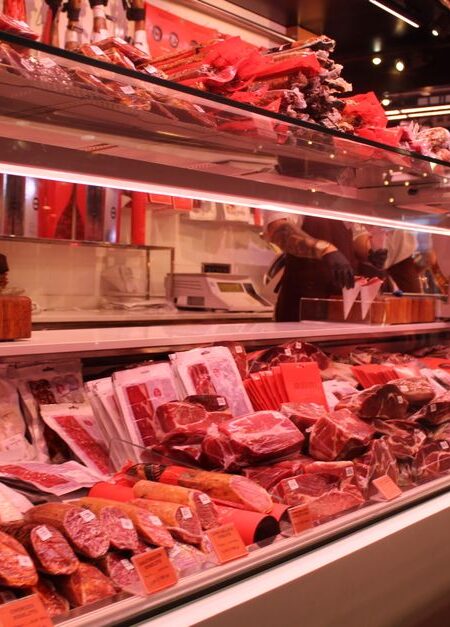






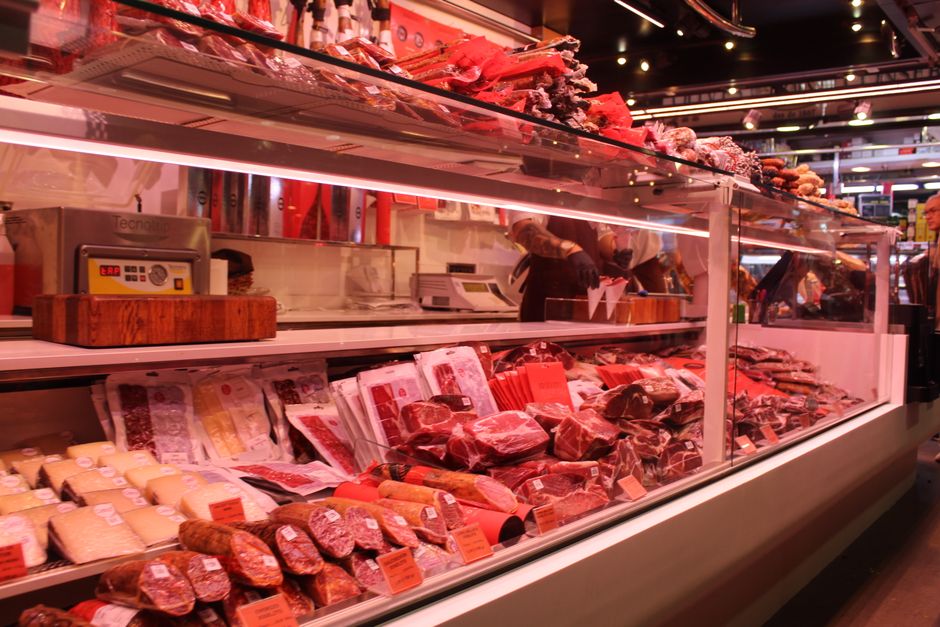
Many Australian consumers are finding it increasingly difficult to afford lamb, a staple meat that has become significantly more expensive in recent years. Once considered a regular feature on dinner tables, lamb is now viewed by some shoppers as a luxury item due to rising prices.
Rising Costs Impact Shoppers
Supermarket shelves across Australia reflect the shift, with lamb products commanding higher prices than in previous years. According to recent figures, the cost of lamb has surged, leading many households to reconsider their purchasing habits. Some shoppers have reported that they now reserve lamb for special occasions rather than including it in their weekly meals.
Industry and Consumer Reactions
Industry representatives have acknowledged the price increases and attributed them to a range of factors. These include supply chain disruptions, increased production costs, and changing market conditions. “It’s definitely become more expensive,” one shopper commented, noting that lamb is now a rare treat for their family.
Retailers have also observed changes in consumer behavior. Some supermarkets have reported a decline in lamb sales, with customers opting for more affordable alternatives such as chicken or beef. The trend has prompted discussions within the industry about how to address affordability concerns while maintaining quality and supply.
Outlook for Australian Lamb
While the future of lamb prices remains uncertain, both producers and retailers are monitoring the situation closely. Some industry analysts suggest that prices may stabilize if production costs decrease or if supply chain issues are resolved. Until then, many Australians are expected to continue viewing lamb as an occasional indulgence rather than a household staple.

Other Articles

Why Méribel is everyone’s favourite ski resort