




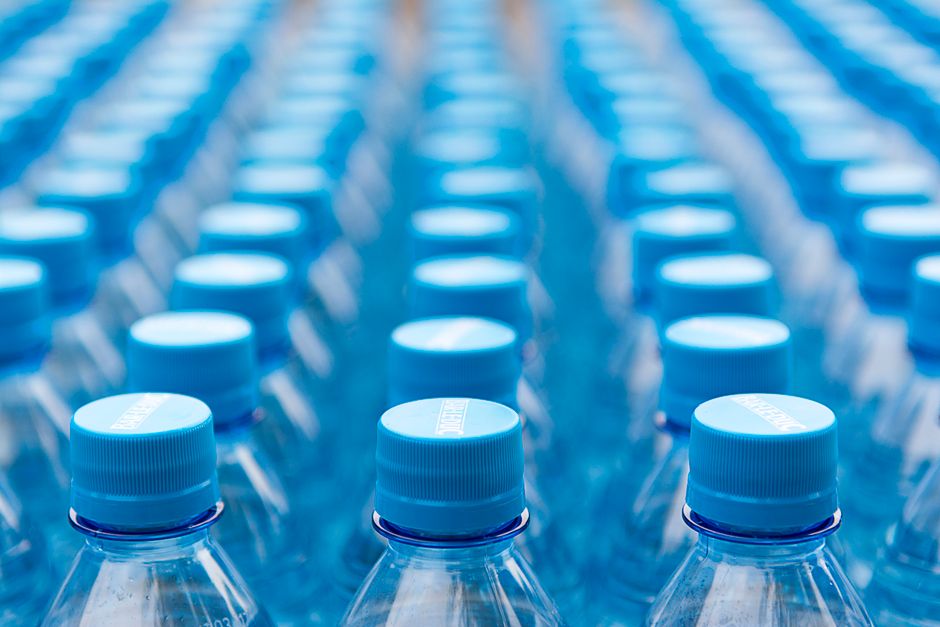
For many consumers, bottled water is a common purchase, often chosen for its convenience and portability. Despite the widespread availability of tap water at a much lower cost, bottled water continues to see strong sales, raising questions about how people assess value in everyday products.
Consumer Choices and Pricing
Bottled water is typically priced significantly higher than tap water, yet it remains a popular option in stores and vending machines. According to industry data, Americans spent over $36 billion on bottled water in 2023. This figure highlights how consumers are willing to pay a premium for what is essentially the same product available from the tap for a fraction of the price.
Factors Influencing Purchases
Several factors contribute to the continued demand for bottled water. Convenience is a major driver, as bottled water is easy to carry and readily available in many locations. Packaging and branding also play a role, with some consumers perceiving bottled water as safer or of higher quality than tap water. However, studies have shown that most bottled water is sourced from municipal supplies and undergoes similar treatment processes as tap water.
Perceptions of Value
The popularity of bottled water demonstrates how perceived value can differ from actual cost or utility. Marketing, packaging, and accessibility can influence consumer decisions, sometimes outweighing considerations of price or necessity. This phenomenon is not unique to bottled water and can be observed in other product categories where branding and presentation impact purchasing behavior.
Industry Trends
Market research indicates that bottled water sales have continued to grow, even as environmental concerns about plastic waste and the carbon footprint of bottled beverages have increased. Some companies have responded by introducing recyclable or biodegradable packaging and promoting sustainability initiatives. Despite these efforts, the core appeal of bottled water remains tied to convenience and consumer perceptions of value.

Other Articles
Aman heads to Puerto Rico, Wyndham expands luxury hotels