





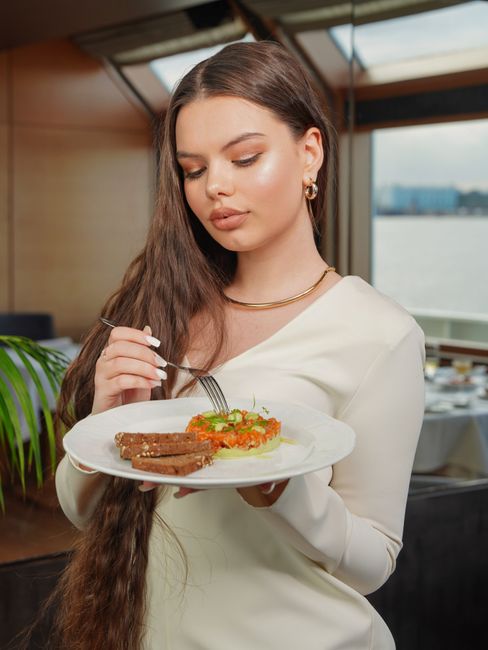
The boundaries between the beauty and food industries are becoming increasingly blurred, as brands from both sectors adopt strategies and aesthetics traditionally associated with the other. This convergence is influencing product development, marketing, and consumer experiences across both fields.
Beauty Products Take Inspiration from Food
Cosmetic brands are increasingly drawing on food-related concepts to develop and market their products. Ingredients such as avocado, matcha, and honey are frequently highlighted on packaging and in advertising campaigns. This approach aims to appeal to consumers seeking products perceived as natural or beneficial for health.
Packaging design has also shifted, with many beauty products now presented in containers reminiscent of food jars or bottles. According to industry analysts, this trend is intended to evoke freshness and edibility, making beauty items appear more approachable and desirable.
Gourmet Experiences Influence Beauty Retail
Retailers are incorporating elements from the culinary world into beauty shopping environments. Some stores now feature tasting bars where customers can sample skincare or fragrance products in a manner similar to food tastings. These interactive experiences are designed to engage multiple senses and foster a deeper connection between consumers and brands.
Experts note that this strategy reflects a broader shift toward experiential retail, where the process of discovery and enjoyment is emphasized alongside product efficacy.
Luxury Food Brands Embrace Beauty Industry Tactics
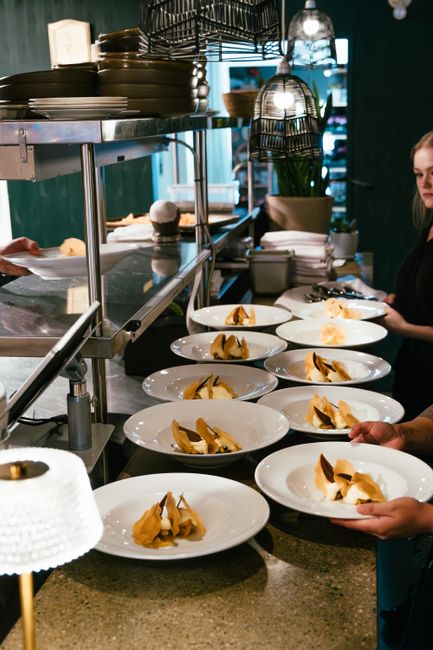
Meanwhile, food companies are adopting techniques commonly used in the beauty sector to elevate their products. Limited-edition packaging, collaborations with designers, and exclusive launches are becoming more prevalent among gourmet brands. These initiatives aim to position food items as luxury goods, appealing to consumers who value exclusivity and sophistication.
Some food brands have introduced premium lines with elaborate packaging and storytelling, mirroring the branding strategies of high-end beauty labels. This approach is intended to create a sense of aspiration and indulgence around everyday food products.
Market Drivers and Consumer Preferences
Industry observers attribute these trends to evolving consumer preferences. Shoppers are increasingly interested in products that offer both functional benefits and emotional satisfaction. The blending of food and beauty elements allows brands to meet these demands by delivering multisensory experiences and narratives centered on well-being.
Analysts suggest that this convergence is likely to continue as companies seek innovative ways to differentiate their offerings in competitive markets.
Outlook for the Future
The intersection of food and beauty is expected to shape product development and marketing strategies in both industries. As brands continue to experiment with cross-sector concepts, consumers can anticipate a growing array of products and experiences that combine elements of both worlds.
For further information, visit the original article at this link.

Other Articles

Luxury airline suddenly cancels all November flights, offers refunds