





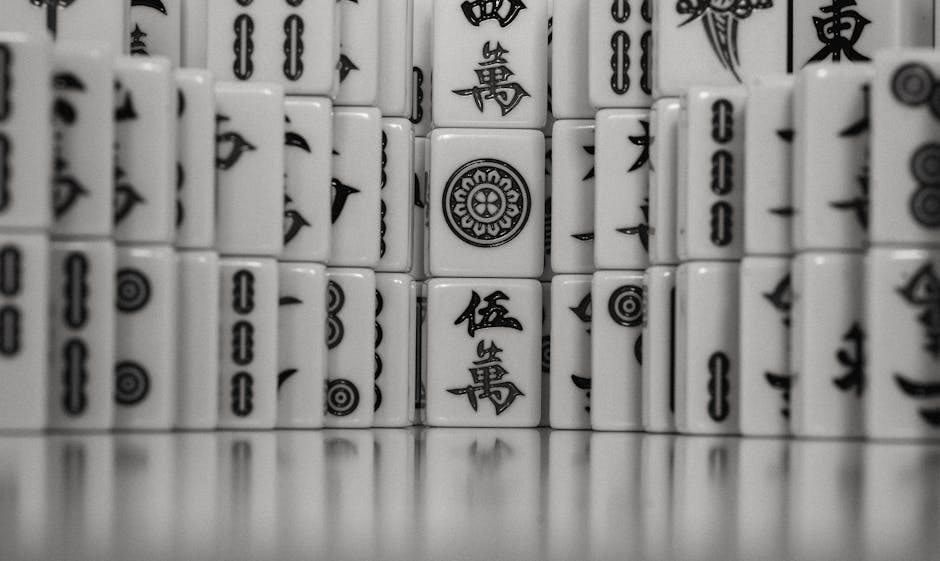
Mahjong, a traditional Chinese tile game, is experiencing a resurgence in popularity, now merging with the wellness sector as spa weekends increasingly feature the game as a central activity. This development is drawing attention from both seasoned players and newcomers interested in social gaming and relaxation.
Mahjong’s Growing Appeal
Mahjong, which has been played for centuries, is gaining traction among younger demographics. The game’s recent revival is attributed to its social nature and the strategic challenge it offers. Many participants find that mahjong provides a way to connect with others while also engaging in a mentally stimulating pastime.
Integration with Spa Experiences
Spas are incorporating mahjong sessions into their wellness packages, offering guests the opportunity to unwind while playing the game. These retreats often include lessons for beginners, tournaments for experienced players, and themed events that combine relaxation with friendly competition. Organizers report that the combination of spa treatments and mahjong appeals to guests seeking both leisure and entertainment.
Participant Perspectives
Attendees of these spa weekends note that the inclusion of mahjong enhances the overall experience. Some guests say that the game fosters a sense of community, while others appreciate the opportunity to learn a new skill in a relaxed environment. According to event coordinators, the response has been positive, with many participants expressing interest in returning for future events.
Industry Response
Wellness industry professionals observe that the integration of traditional games like mahjong aligns with a broader trend of experiential offerings in hospitality. They suggest that such activities can differentiate spa packages and attract a wider range of clients. Some spas are planning to expand their mahjong programming in response to growing demand.
Looking Ahead
As the popularity of mahjong-infused spa weekends continues to rise, organizers anticipate further innovation in how the game is presented within wellness settings. The trend reflects a broader interest in combining cultural traditions with modern leisure experiences.

Other Articles
Nominations Open for Best Luxury Travel Service 2026