




LVMH Moët Hennessy Louis Vuitton, the world’s largest luxury group, reported a slowdown in sales growth for the first quarter of 2024, raising questions about the resilience of the high-end travel sector amid ongoing geopolitical tensions.
Quarterly Performance and Market Response
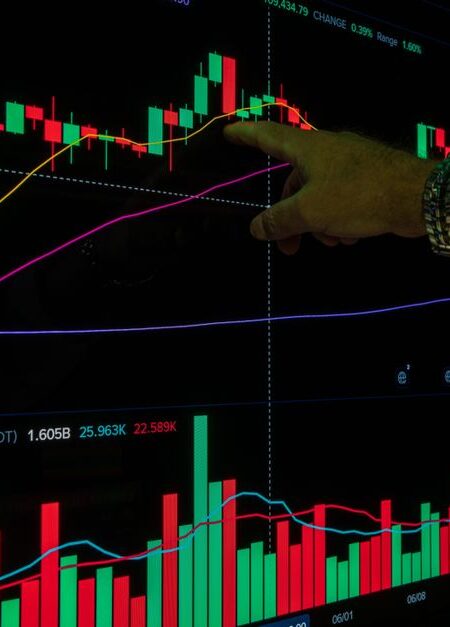
The company announced that its revenue for the first three months of the year rose 3% on an organic basis, reaching €20.7 billion. This figure fell short of analyst expectations, which had forecast a 5% increase. Following the release, LVMH’s shares declined by as much as 8% in Paris trading, marking the steepest drop since March 2020.
Impact of Middle East Conflict on Travel Retail
LVMH’s duty-free business, which relies heavily on international travelers, was notably affected by the conflict in the Middle East. The company cited a significant decrease in travel retail activity, particularly in locations such as Istanbul and Dubai, as a result of reduced tourist flows. “The situation in the Middle East has led to a sharp drop in travel retail,” the group stated during its earnings call.
Broader Implications for the Luxury Sector
The slowdown in LVMH’s travel retail segment has raised concerns about the broader luxury market’s exposure to geopolitical instability. Analysts noted that the company’s results may signal similar challenges for other luxury brands with significant travel retail operations. “The impact of geopolitical events on travel and tourism is being felt across the sector,” said one industry analyst.
Regional Trends and Consumer Behavior
While LVMH reported steady demand in the United States and Japan, growth in mainland China remained subdued. The company observed that Chinese consumers are increasingly shopping abroad, but international travel from China has not yet returned to pre-pandemic levels. LVMH’s fashion and leather goods division, which includes brands such as Louis Vuitton and Dior, posted a 2% increase in organic sales, compared to 18% growth in the same period last year.
Outlook and Industry Reactions
LVMH executives expressed cautious optimism about the remainder of the year, citing the potential for recovery in travel retail as international tourism resumes. However, they acknowledged that ongoing conflicts and economic uncertainty could continue to weigh on consumer sentiment and spending patterns.