





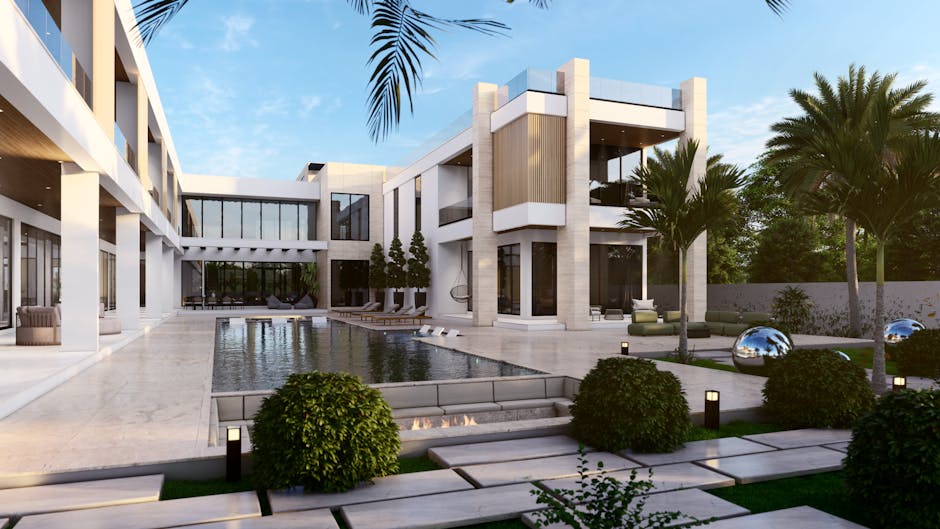
Legacy addresses are increasingly viewed as a defining factor in the world of high-end real estate, with their historical significance and established reputation attracting discerning buyers seeking exclusivity and prestige.
Historical Significance and Enduring Appeal
Properties located in areas with a longstanding reputation for luxury continue to command attention from affluent buyers. These addresses, often associated with heritage, tradition, and cultural value, are seen as more than just locations—they represent a lifestyle and status that newer developments may not easily replicate.
Market Trends and Buyer Preferences
Recent market trends indicate that demand for homes in established neighborhoods remains robust. According to industry analysts, buyers are prioritizing legacy addresses over emerging locations, valuing the sense of community, security, and established amenities that these areas provide.
Expert Insights on Value and Investment
Real estate experts note that properties in legacy locations tend to retain their value over time, even during market fluctuations. “There is a certain cachet attached to these addresses that newer developments often lack,” said a leading property consultant. This enduring appeal is reflected in consistently strong resale values and sustained interest from both domestic and international buyers.
Impact on Modern Luxury Developments
Developers are increasingly seeking opportunities to build within or near legacy neighborhoods, recognizing the premium that buyers are willing to pay for such locations. New projects often incorporate design elements and amenities that complement the character of these established areas, aiming to attract buyers who value both tradition and modern comforts.
Conclusion
As the luxury real estate market evolves, legacy addresses remain a key consideration for buyers and developers alike. Their combination of historical significance, community, and enduring value continues to set them apart in a competitive market.