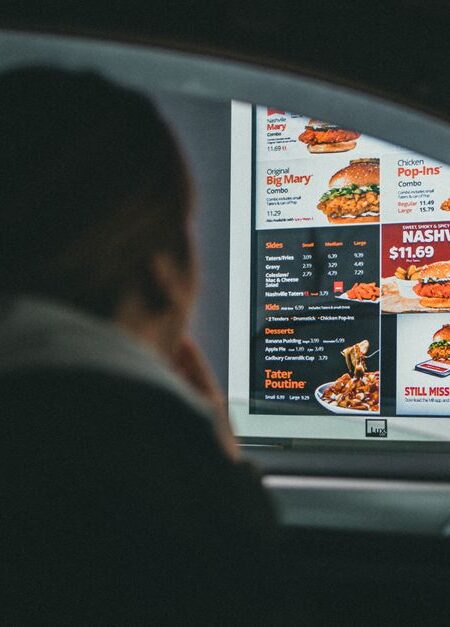





For years, chicken has been considered an affordable protein option, often less expensive than beef or pork. However, recent trends have seen the price of chicken rise to the point where it is now one of the priciest choices on restaurant menus.
Rising Chicken Prices
According to industry analysts, the cost of chicken has increased significantly over the past few years. This surge is attributed to a combination of factors, including supply chain disruptions, higher feed costs, and increased demand. As a result, many restaurants have had to adjust their pricing, with chicken dishes now sometimes surpassing beef in cost.
Impact on Restaurants and Consumers
Restaurant owners report that the rising price of chicken has forced them to reconsider menu offerings and portion sizes. Some establishments have reduced the number of chicken-based dishes, while others have raised prices to offset the higher costs. Customers, in turn, are noticing the changes, with some expressing surprise at the elevated prices for what was once a budget-friendly option.
Industry Perspectives
Experts note that the chicken industry has faced a series of challenges, including labor shortages at processing plants and increased transportation expenses. These issues have contributed to a tighter supply and higher prices at both the wholesale and retail levels. Industry representatives say they are working to address these challenges, but do not expect prices to decrease in the immediate future.
Looking Ahead
While some analysts predict that chicken prices may stabilize over time, others caution that ongoing supply chain issues and persistent demand could keep prices elevated. For now, consumers and restaurant operators alike are adjusting to the new reality of chicken as a premium menu item.

Other Articles