






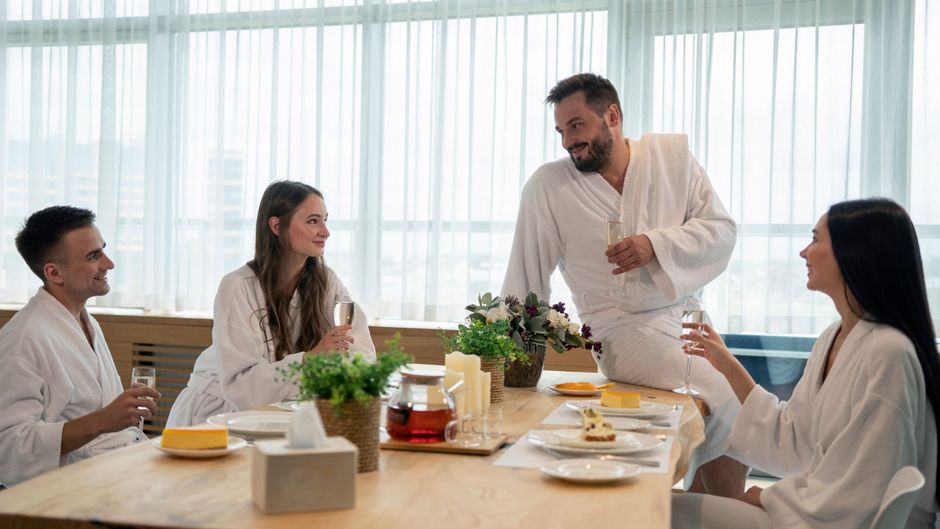
For hotels aiming to improve guest wellness, recent findings in neuroscience may offer valuable guidance. Understanding how the brain responds to various environments can help hospitality providers create spaces that support relaxation, recovery, and overall well-being.
Designing Spaces That Support Mental Health
Neuroscientific research indicates that certain environmental factors can significantly affect mental health. Elements such as natural light, calming colors, and access to nature have been shown to reduce stress and promote positive emotions. Hotels that incorporate these features may provide guests with a more restorative experience.
The Role of Sensory Experiences
Studies suggest that sensory inputs, including sound, scent, and tactile sensations, influence mood and cognitive function. For example, soothing background music and subtle fragrances can help guests unwind. Thoughtful selection of textures and materials in furnishings may also contribute to a sense of comfort and relaxation.
Personalization and Guest Preferences
Advancements in neuroscience highlight the importance of personalization. Individual preferences for temperature, lighting, and noise levels can impact sleep quality and overall satisfaction. Hotels that offer customizable room controls may better accommodate diverse guest needs, enhancing the wellness experience.
Technology and Sleep Quality
Research has shown that exposure to blue light from electronic devices can disrupt sleep patterns. Hotels can address this by providing options such as blue light filters or encouraging device-free relaxation before bedtime. High-quality bedding and blackout curtains are additional measures that support restful sleep.
Integrating Wellness into the Guest Journey
Applying neuroscientific insights throughout the guest journey can help hotels foster a holistic sense of well-being. From check-in to check-out, attention to environmental and sensory details may contribute to a more positive and memorable stay.