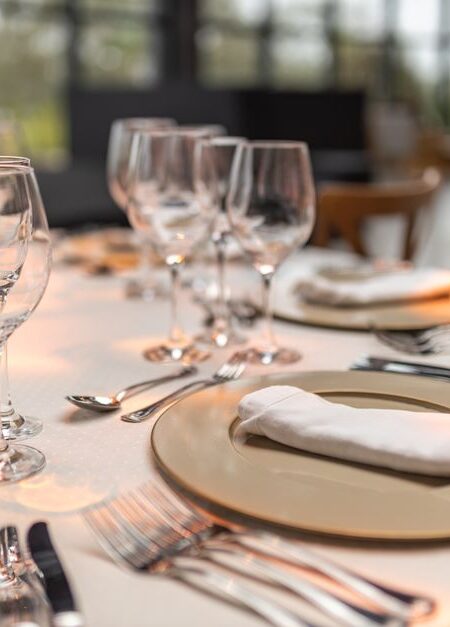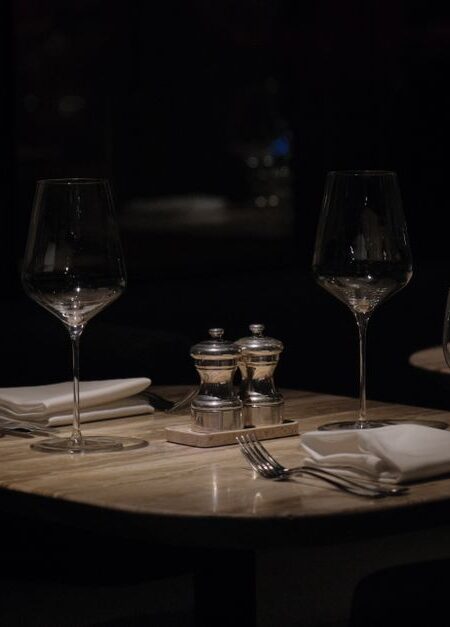





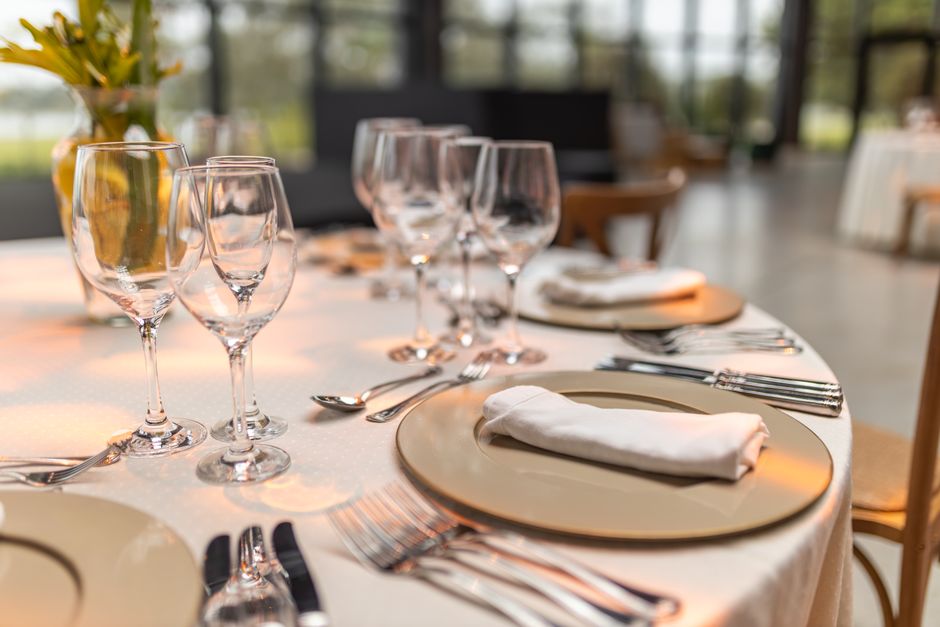
In a notable shift within the restaurant sector, several high-end dining establishments are transitioning to more casual service models. This trend is emerging as a response to evolving consumer preferences and ongoing economic pressures.
Upscale Restaurants Adjust Approach
Multiple renowned fine dining venues have recently adopted more relaxed formats, moving away from traditional multi-course tasting menus and formal table service. Instead, these restaurants are introducing à la carte options, counter service, and simplified menus. Industry analysts suggest these adjustments are aimed at attracting a broader customer base while managing operational costs.
Industry Leaders Comment on Changes
Chefs and restaurateurs cite a variety of reasons for the shift. “We noticed guests seeking a more approachable experience,” said one executive chef. “By offering a casual setting, we can maintain quality while making dining more accessible.” Others in the industry point to rising labor and ingredient costs as factors influencing the move toward streamlined service models.
Impact on Staff and Operations
The transition has also affected staffing structures. Some establishments have reduced the number of front-of-house employees, while others have retrained staff to handle multiple roles. Restaurant managers report that these changes have helped maintain profitability amid fluctuating demand and increased expenses.
Customer Response and Future Outlook
Patrons have responded with mixed reactions. Some diners appreciate the relaxed atmosphere and lower price points, while others express nostalgia for the traditional fine dining experience. Industry observers anticipate that more restaurants may adopt hybrid models, blending elements of both casual and upscale dining to adapt to changing market conditions.

Other Articles
Developer proposes turning Washington Square into a luxury resort