




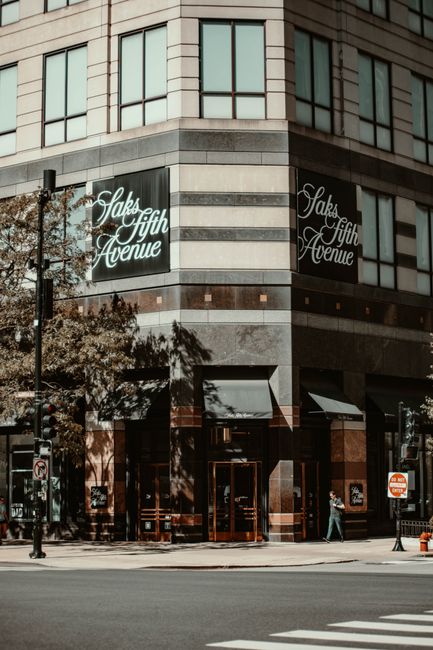
For decades, Saks Fifth Avenue stood as a symbol of luxury retail in the United States, attracting affluent shoppers to its flagship store in New York City and locations across the country. However, the company that once defined high-end shopping has experienced a significant downturn, raising questions about the future of traditional luxury retail.
Historical Significance and Expansion
Founded in 1924, Saks Fifth Avenue quickly established itself as a premier destination for luxury goods. The retailer expanded its presence throughout major cities, offering designer fashion, accessories, and exclusive services. Its flagship store on Fifth Avenue became an iconic landmark, drawing both local and international clientele.
Shifting Consumer Preferences
In recent years, Saks has faced mounting challenges as consumer behavior shifted. The rise of e-commerce and the growing popularity of online luxury platforms have altered shopping habits. Many customers now prefer the convenience of digital shopping over traditional in-store experiences, impacting foot traffic at brick-and-mortar locations.
Financial Struggles and Ownership Changes
Saks has encountered financial difficulties, with declining sales and profitability. In 2013, the company was acquired by Hudson’s Bay Company, a Canadian retail group, in a deal valued at $2.9 billion. Despite efforts to revitalize the brand, including investments in digital infrastructure and store renovations, Saks has struggled to regain its former market position.
Industry Competition and Market Pressures
The luxury retail sector has become increasingly competitive, with new entrants and established brands vying for market share. Online retailers such as Net-a-Porter and Farfetch have captured a significant portion of luxury sales, offering curated selections and global shipping. Traditional department stores have also faced pressure from changing consumer expectations and evolving retail trends.
Recent Developments and Outlook
In response to ongoing challenges, Saks has implemented cost-cutting measures and restructured its operations. The company has focused on enhancing its digital presence and improving customer service to adapt to the changing retail landscape. However, industry analysts remain uncertain about the long-term prospects of legacy luxury retailers in an increasingly digital marketplace.