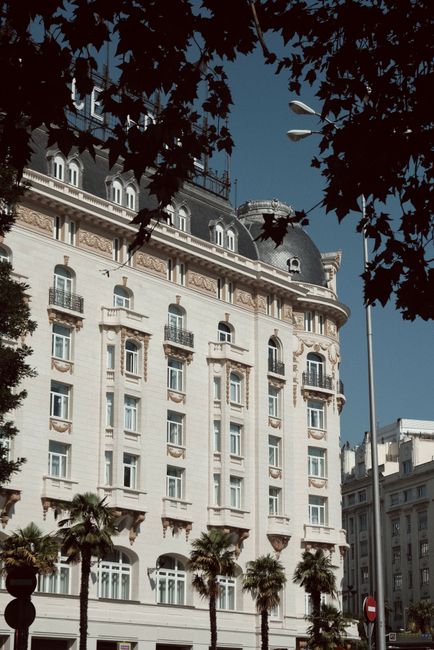






Luxury hotel marketing is frequently discussed in the hospitality sector, yet many experts argue that its definition remains incomplete. Industry professionals note that while the term “luxury” is widely used, there is little consensus on what it truly entails in the context of hotel marketing.
Ongoing Debate Over the Meaning of Luxury
According to industry observers, the concept of luxury in hotel marketing is often subjective and varies significantly between brands and markets. Some define luxury by tangible elements such as high-end amenities, personalized services, and exclusive experiences. Others emphasize intangible qualities, including emotional connections and a sense of belonging for guests.
“Luxury is not just about expensive materials or grand architecture,” said one hospitality executive. “It’s about creating memorable moments that resonate with each guest on a personal level.”
Challenges in Establishing a Universal Definition
Despite ongoing discussions, there is no universally accepted definition of luxury hotel marketing. Analysts point out that the lack of standardization makes it challenging for brands to differentiate themselves and for consumers to compare offerings. The evolving expectations of travelers further complicate the issue, as guests increasingly seek authenticity and unique experiences over traditional markers of luxury.
Some marketing specialists argue that the industry’s reliance on outdated definitions may hinder innovation. “The definition of luxury is evolving, and hotel marketing strategies must adapt to reflect these changes,” one expert commented.
Implications for the Hospitality Industry
The absence of a clear definition has implications for both hotel operators and guests. For brands, it can lead to inconsistent messaging and difficulty in targeting the right audience. For travelers, it may create confusion about what to expect from a luxury hotel experience.
Industry leaders suggest that a more nuanced and flexible approach to defining luxury could benefit both businesses and consumers. By focusing on guest preferences and emerging trends, hotels may be able to better align their marketing efforts with the evolving landscape of luxury hospitality.

Other Articles
Meet the Tatler Most Stylish 2026 honourees from Malaysia