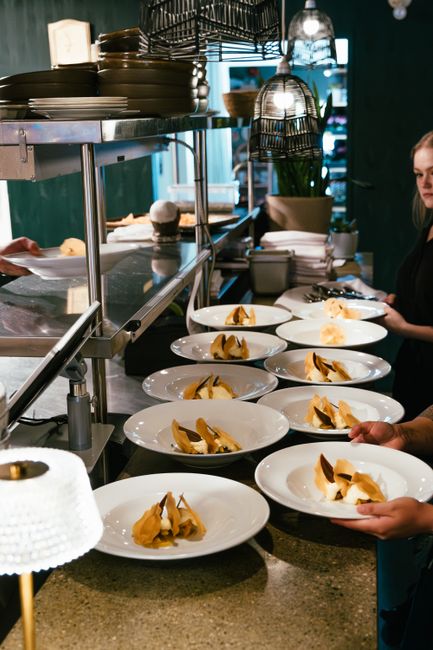






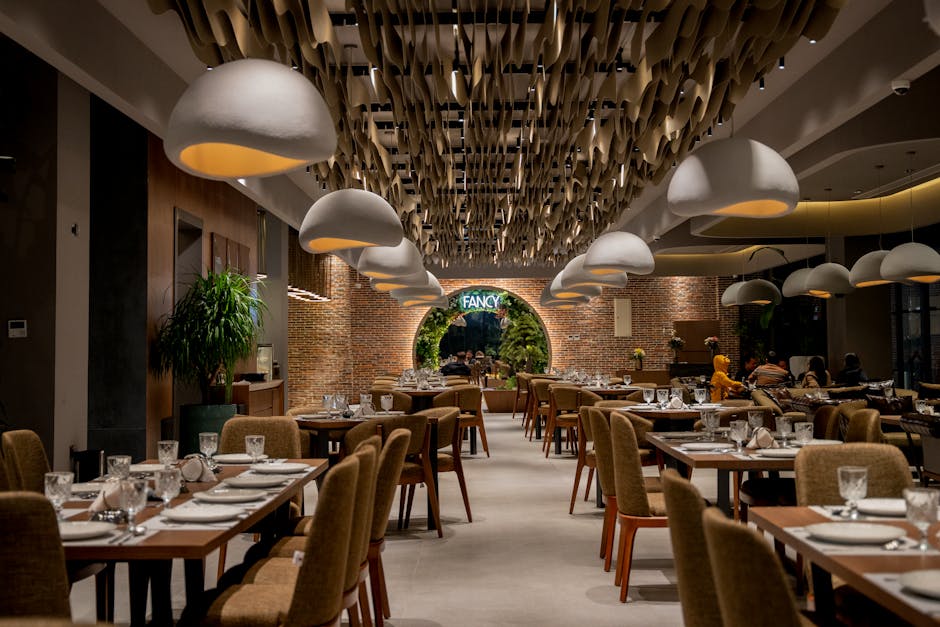
In recent months, a number of high-end cafes and restaurants have opened their doors in Gaza, drawing attention for their modern interiors and diverse menus. These establishments, featuring items such as sushi and specialty coffee, have become gathering spots for a segment of the population seeking a sense of normalcy amid ongoing challenges.
However, the emergence of these venues has also highlighted the stark economic divide within the territory. While some residents are able to frequent these new locations, many others continue to face significant financial hardship, with unemployment and poverty rates remaining high.
Economic Disparities in Focus
According to the Palestinian Central Bureau of Statistics, Gaza’s unemployment rate reached approximately 45% in 2023. The World Bank has also reported that over half of Gaza’s population lives below the poverty line. Despite these figures, the recent openings of upscale eateries have sparked debate about the true state of the local economy.
“These cafes are not for everyone,” said local economist Mohammed Abu Jayyab. “They reflect the existence of a small group that can afford such luxuries, while the majority struggle to meet basic needs.”
Social Media and Public Perception
Images of the new cafes have circulated widely on social media, with some users expressing surprise at the apparent prosperity. Others have pointed out that these images do not represent the daily reality for most residents of Gaza.
“It’s misleading to think that these places mean life is easy here,” commented Gaza resident Rania Al-Sheikh. “Most people cannot afford to visit them.”
Business Owners’ Perspectives
Owners of the new establishments have stated that their businesses aim to offer a sense of hope and normalcy. “We want to create a space where people can relax and forget their troubles, even for a short time,” explained cafe owner Ahmed Al-Masri.
Despite the challenges, some business owners report steady patronage from a clientele that includes professionals, aid workers, and members of the local business community.
Ongoing Challenges
Gaza continues to face restrictions on imports and movement, which have impacted the availability of goods and the cost of doing business. Many entrepreneurs have cited difficulties in sourcing ingredients and equipment for their cafes and restaurants.
“It’s not easy to operate here,” said Al-Masri. “We face obstacles every day, but we try to keep going.”
Conclusion
The arrival of upscale cafes and restaurants in Gaza has brought a new dimension to the local social scene, but it has also underscored persistent economic inequalities. As the territory continues to navigate complex challenges, these venues serve as both a symbol of resilience and a reminder of the hardships many residents still endure.

Other Articles
Armani and Gucci: Luxury Expressed Through Food