





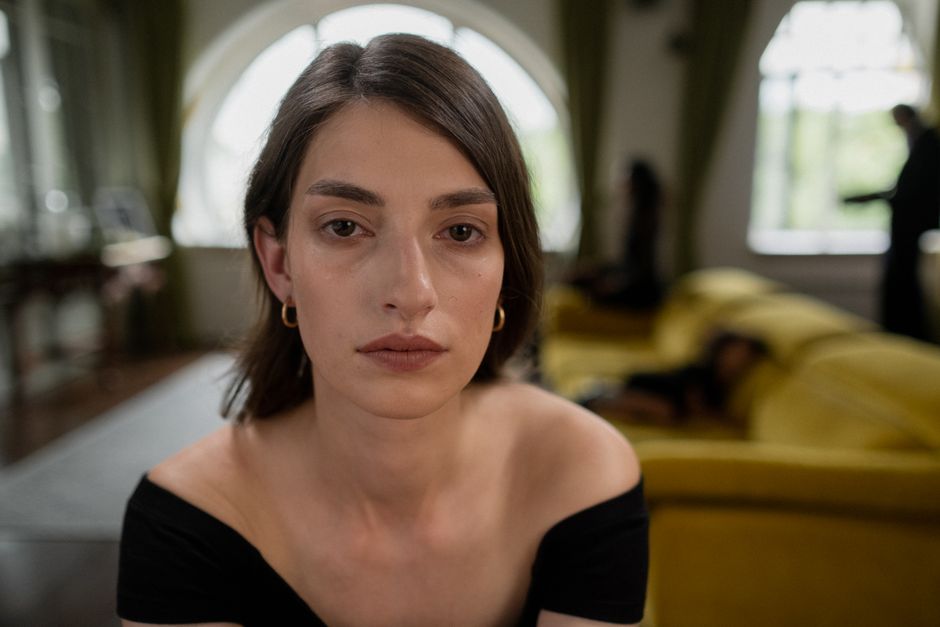
For centuries, portraiture has served as a means of capturing not only a person’s likeness but also their essence. In recent years, there has been a renewed interest in genuine portraiture, with many viewing it as a rare and valuable luxury.
A Return to Traditional Techniques
Contemporary portrait artists are witnessing a surge in demand for hand-painted and carefully crafted portraits. Unlike digital photography, which can be easily replicated and widely distributed, traditional portraiture offers a unique, tangible result. This resurgence is attributed to a desire for authenticity and individuality in a world saturated with digital images.
Personal Connection and Lasting Value
Commissioning a portrait often involves a close collaboration between the artist and the subject. This process allows for a deeper exploration of personality and character, resulting in a work that reflects more than just physical appearance. Many clients view these portraits as family heirlooms, intended to be passed down through generations.
Portraiture as a Status Symbol
Historically, portraits were commissioned by royalty and the elite as a display of status and wealth. Today, bespoke portraiture continues to be associated with exclusivity. The time, skill, and personal attention required to create a portrait contribute to its perception as a luxury item.
Modern Interpretations and Accessibility
While traditional oil paintings remain popular, some artists are experimenting with new media and styles. This evolution has made portraiture accessible to a broader audience, though the most sought-after works are still those that emphasize craftsmanship and authenticity.
The Enduring Appeal of Being Seen
In an era dominated by fleeting digital images, the permanence and intentionality of portraiture hold a special allure. For those seeking a meaningful way to be remembered, a genuine portrait offers a sense of legacy and distinction that few other art forms can provide.

Other Articles