

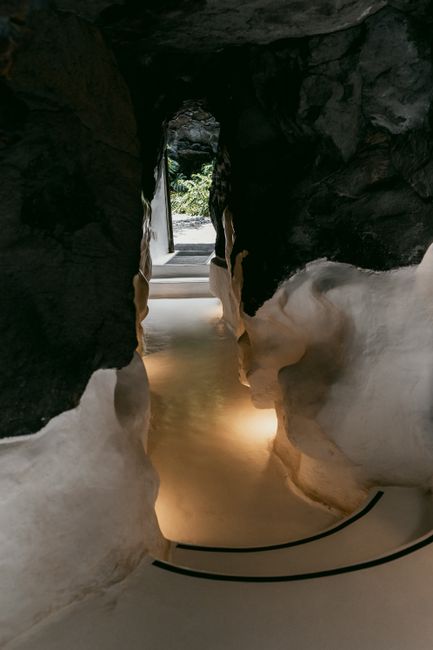
Capella Sydney has incorporated a range of innovative sustainability measures, including the use of hidden tunnels and specially designed lighting, as part of its efforts to create an environmentally conscious luxury resort in the heart of the city.
Historic Building Transformation
The Capella Sydney resort occupies the former Department of Education building, a heritage-listed structure in the city’s central business district. The transformation of this historic site into a modern hotel required careful planning to preserve its architectural significance while introducing sustainable features.
Utilizing Underground Tunnels
One of the key elements in the resort’s sustainability strategy is the use of underground tunnels. These tunnels, originally constructed for service and maintenance purposes, now facilitate efficient waste management and delivery operations. By directing these activities below ground, Capella Sydney reduces surface traffic and minimizes the environmental impact on the surrounding area.
Innovative Lighting Solutions
The resort has also implemented advanced lighting systems described as “breathing lamps.” These fixtures adjust their brightness and color temperature in response to natural light levels, helping to reduce energy consumption. The adaptive lighting is designed to enhance guest comfort while supporting the building’s overall energy efficiency goals.
Commitment to Sustainability
Capella Sydney’s approach to sustainability extends beyond its physical infrastructure. The resort sources local produce for its restaurants and incorporates water-saving technologies throughout the property. These initiatives are part of a broader commitment to minimizing the environmental footprint of the hotel’s operations.
Balancing Heritage and Modernity
The project required collaboration with heritage consultants to ensure that the building’s historical features were preserved. At the same time, modern sustainability practices were integrated into the design and daily operations, creating a balance between conservation and innovation.
Further Information
For more details, visit the original article at this link.

Inside Sun Valley’s New Luxury Hotel With A Rooftop Observatory