




Malaysia is gaining attention for its homegrown luxury foods, with local producers cultivating high-end products such as caviar, wagyu beef, and premium melons at prices lower than imported alternatives. These farmers are working to make luxury dining more accessible while maintaining quality standards.
Rising Demand for Premium Local Produce
In recent years, Malaysia has seen a growing appetite for luxury foods, traditionally sourced from overseas. Local entrepreneurs have responded by investing in the production of items like caviar, wagyu beef, and specialty fruits, aiming to offer comparable quality at reduced costs.
Homegrown Caviar Operations
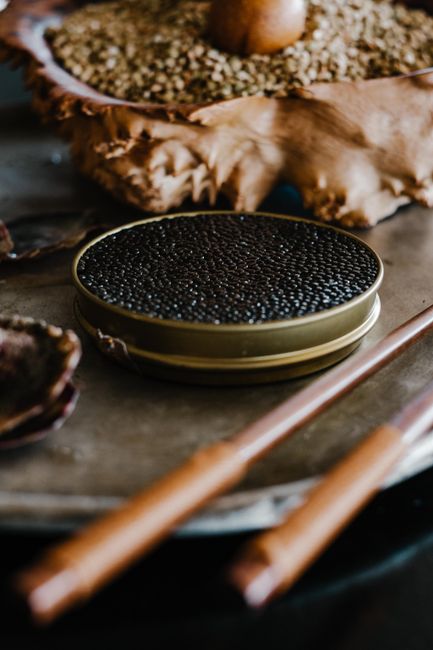
One notable example is T’lur Caviar, which operates a sturgeon farm in Tanjung Malim, Perak. The company produces caviar from Siberian sturgeon, offering a product that rivals imported varieties. According to T’lur, their caviar is available at prices up to 30 percent lower than those of foreign brands. The company reports that its caviar is now served in several high-end restaurants across Malaysia.
Wagyu Beef Raised in Malaysia
Wagyu beef, renowned for its marbling and tenderness, is also being produced locally. Wagyu More, a farm located in Negeri Sembilan, raises Japanese Black cattle using imported feed and strict breeding protocols. The farm claims its beef matches the quality of imported wagyu but is offered at a more affordable price point. Wagyu More supplies meat to both restaurants and individual customers.
Premium Melons from Local Farms
Farmers are also cultivating premium melons such as muskmelons and cantaloupes. In Johor, a farm named Mono Premium Melon uses Japanese farming techniques to produce high-quality melons. The farm states that its produce is sold at prices significantly below those of imported Japanese melons, making them more accessible to Malaysian consumers.
Challenges and Future Prospects
Despite the progress, local luxury food producers face challenges including high production costs, limited consumer awareness, and the need to meet international standards. However, these farmers remain optimistic about the future, citing increasing demand and growing recognition of Malaysian-made premium foods.