




Traditional Dishes Face Price Surge
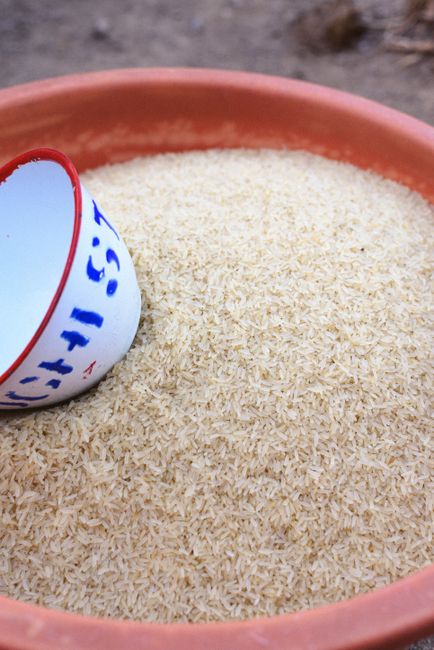
In both Nigeria and Ghana, the cost of preparing the popular meal of jollof rice has seen a significant increase, raising concerns about affordability for many households. The dish, which is a staple in both countries, now requires a larger portion of the average family’s income than in previous years.
Price Increases Affect Daily Life
Recent data indicates that the price of rice, tomatoes, onions, and other key ingredients has risen sharply. In Lagos, Nigeria, the cost of a pot of jollof rice for a family of five has nearly doubled in the past year. Similarly, in Accra, Ghana, families report spending much more on the same meal compared to previous years.
Factors Behind the Rising Costs
Several factors have contributed to the higher prices. Inflation, currency depreciation, and disruptions in the supply chain have all played a role. Farmers and traders cite increased transportation costs and higher prices for fertilizer as additional reasons for the surge.
Impact on Households
Many families are now forced to reduce the frequency with which they prepare jollof rice or substitute some ingredients to lower costs. Some households have turned to less expensive meals, while others have reduced portion sizes to cope with the increased expenses.
Outlook Remains Uncertain
With no immediate relief in sight, the affordability of staple meals like jollof rice remains a concern for many in Nigeria and Ghana. Experts suggest that unless economic conditions improve and supply chains stabilize, the trend of rising food prices may continue.

Other Articles