




For many, the rapid changes in women’s fashion trends may seem unpredictable, but there is a structured process behind how styles move from manufacturing facilities to consumers’ closets. This cycle involves multiple stages that influence what eventually appears in stores and online retailers.
The Initial Phase: Design and Manufacturing
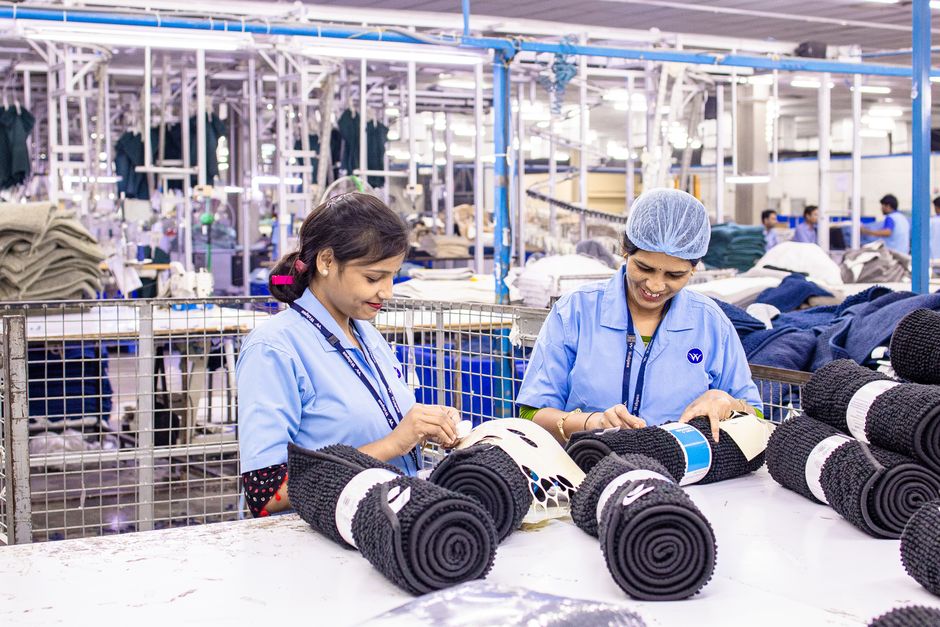
The trend cycle typically begins with designers and manufacturers. Fashion brands often draw inspiration from runway shows, cultural events, and social movements. These influences are translated into sketches and prototypes, which are then produced in factories. The manufacturing process can take place in various locations around the world, depending on the brand’s supply chain and production strategy.
Distribution and Retail Placement
Once garments are manufactured, they are distributed to retail outlets. Retailers play a significant role in determining which trends reach consumers, as they select styles based on anticipated demand and current market analysis. The selection process involves forecasting which items are likely to become popular, often relying on data from previous seasons and emerging patterns in consumer preferences.
Marketing and Consumer Adoption
Marketing campaigns, social media influencers, and celebrity endorsements are key drivers in promoting new trends. Brands utilize various platforms to showcase their latest collections, aiming to generate interest and encourage purchases. As consumers begin to adopt these styles, the trends gain momentum and become more visible in everyday fashion.
Trend Saturation and Decline
As a trend becomes widespread, it eventually reaches a saturation point. At this stage, the style is widely available and worn by a large segment of the population. Over time, consumer interest may wane as new trends emerge, leading to a decline in popularity. Retailers then adjust their inventory to reflect changing preferences, and the cycle begins anew with the introduction of fresh designs.
External Reference