





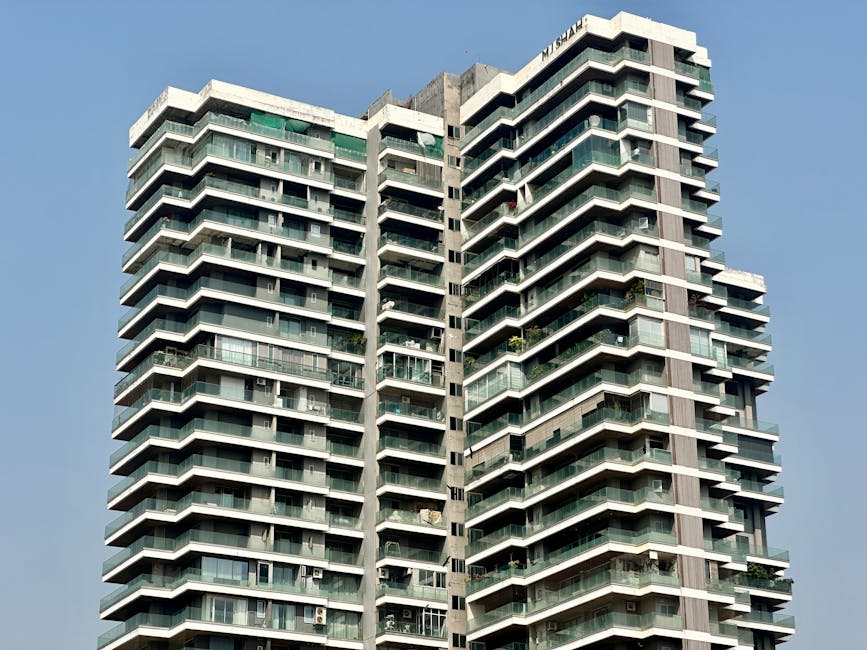
Ghaziabad, a city situated on the outskirts of Delhi, has experienced significant changes in its real estate landscape over recent years. Once recognized primarily for its budget-friendly housing options, the city is now witnessing a notable shift towards luxury developments and premium residential projects.
Changing Preferences Among Homebuyers
Developers in Ghaziabad have observed a marked change in consumer demand. According to industry experts, there is a growing inclination among buyers for spacious homes equipped with modern amenities. This trend has prompted developers to introduce projects that cater to a more affluent clientele, offering features such as clubhouses, swimming pools, and landscaped gardens.
Key Factors Driving the Shift
Several factors have contributed to this evolution in Ghaziabad’s real estate market. Improved connectivity to Delhi and other parts of the National Capital Region (NCR), along with the expansion of infrastructure, have made the city an attractive destination for homebuyers seeking both convenience and quality. The introduction of metro services and the development of expressways have further enhanced accessibility, making premium housing projects more viable.
Emergence of Luxury Projects
In response to changing buyer expectations, prominent developers have launched luxury residential complexes in various parts of Ghaziabad. These projects often feature advanced security systems, dedicated recreational spaces, and high-end fittings. As a result, the city’s real estate offerings now include a diverse range of options, from affordable apartments to upscale villas and penthouses.
Market Impact and Future Outlook
Industry analysts note that the shift towards luxury housing has led to increased competition among developers, resulting in a broader selection of properties for consumers. While affordable housing continues to be available, the presence of premium projects is expected to grow as demand for high-quality living spaces rises. Observers anticipate that Ghaziabad’s real estate market will continue to evolve, with further investments in infrastructure and residential development likely to sustain this trend.