




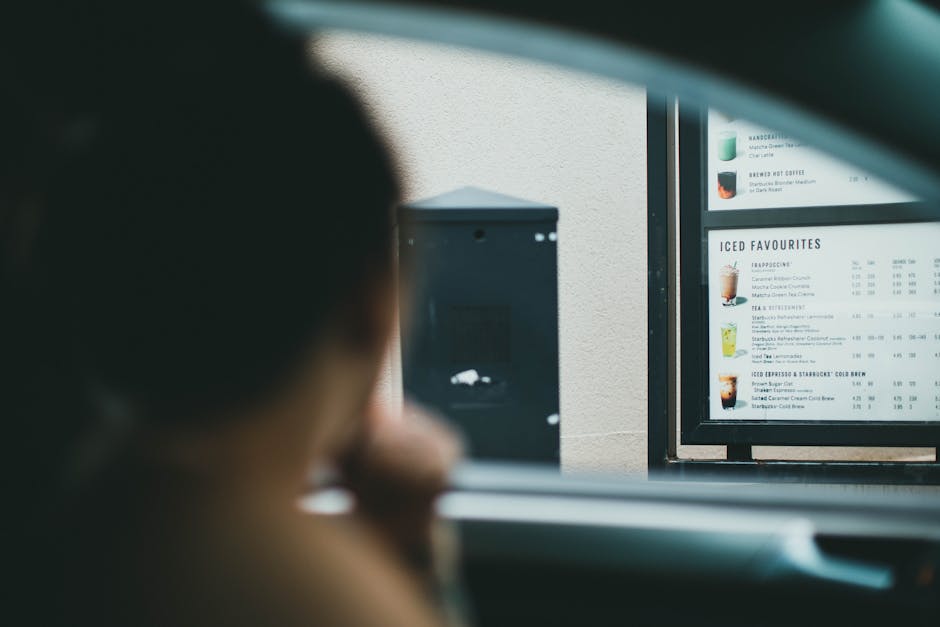
For many consumers, fast food is no longer the affordable option it once was, as rising prices have made it more of a luxury purchase. The cost of menu items at major fast food chains has climbed steadily, prompting some customers to reconsider how often they dine out.
Rising Prices Affect Consumer Choices
According to recent data, the price of fast food has increased at a faster rate than overall inflation. In the past year, menu prices at several leading chains have risen by as much as 10 percent. This trend has led some customers to reduce their visits or seek alternatives.
“It used to be that you could get a meal for under $5, but now it’s closer to $10,” said one customer outside a fast food restaurant. “It’s just not as affordable as it used to be.”
Industry Response to Cost Increases
Fast food companies cite higher costs for ingredients, labor, and transportation as reasons for the price hikes. Many chains have also introduced new menu items at higher price points, while offering fewer value deals than in previous years.
Executives at several fast food brands have acknowledged the impact of inflation on their pricing strategies. Some have stated that they are working to balance affordability with the need to cover increased operational expenses.
Impact on Lower-Income Households
The rising cost of fast food has had a particular impact on lower-income families, who have traditionally relied on quick-service restaurants for inexpensive meals. With prices climbing, some households are turning to home-cooked meals or seeking out local alternatives that offer better value.
“We used to eat out a couple times a week, but now we’re cooking more at home,” said another customer. “It’s just not worth it anymore.”
Future Outlook
Analysts predict that fast food prices may continue to rise if inflationary pressures persist. Some industry observers suggest that chains could respond by introducing new value options or promotions to attract cost-conscious customers.
For now, many consumers are adjusting their habits as fast food becomes less of an everyday convenience and more of an occasional treat.

Other Articles

The Best Luxury Luggage for Every Kind of Traveler