



For the full article, visit: https://news.google.com/rss/articles/CBMid0FVX3lxTE9PUldrSkp1QlR6VENfSzhnYk8zZFdkTnJSY3dJRElRaDRvMk1yN3NOYmttYThGN2FKdEwwQVQzcVlhZzZKREFwX05sejkyN19JTXVRWmJEb0doVmh6eU10a21kLTlLVTk2eF9NYzYzOXRQNldqMldB?oc=5
Rising Demand for High-End Fruit Amidst Soaring Beef Prices
In China, the divide in food consumption is becoming more pronounced as premium fruit remains popular while beef is increasingly viewed as a luxury item. This trend is evident in both urban and rural households, reflecting broader economic disparities across the country.
Premium Fruit Sales Remain Strong
Despite economic uncertainties, sales of high-end fruits such as cherries and durians have continued to grow. According to industry data, the market for imported fruit has expanded, with cherries and durians among the most sought-after items. Retailers report that these fruits are often purchased as gifts or for personal consumption, indicating sustained demand among consumers with higher spending power.
Beef Consumption Declines Due to Price Increases
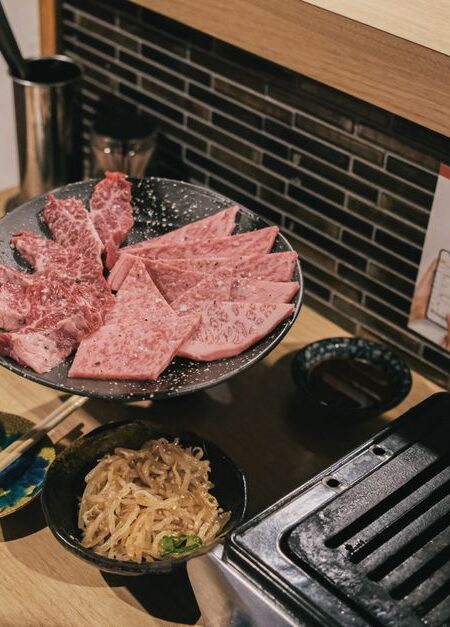
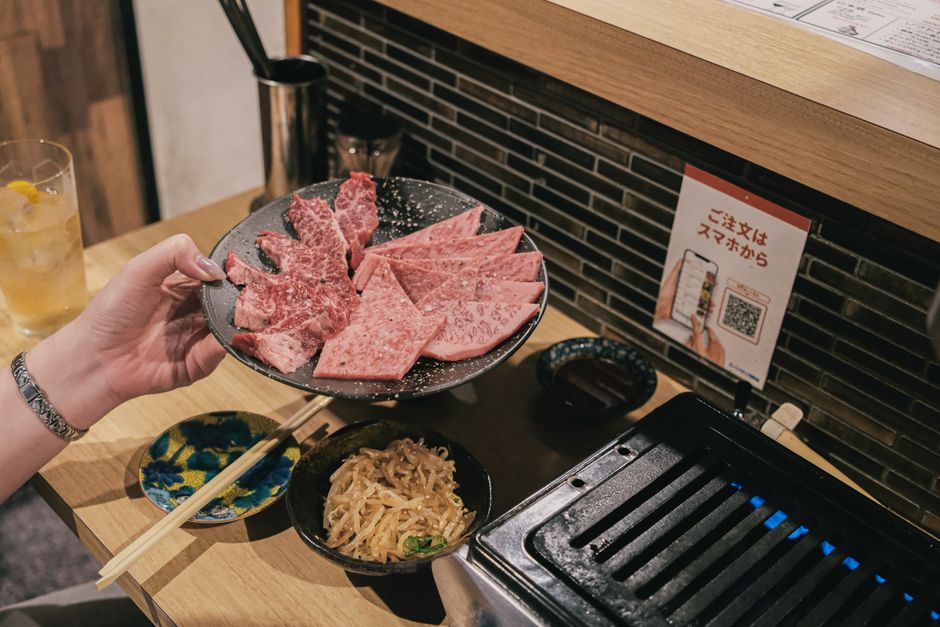
In contrast, beef has become less accessible for many Chinese consumers as prices have risen significantly. Market analysts attribute the increase in beef prices to factors such as higher feed costs and supply chain disruptions. As a result, beef is now considered a luxury for many families, with some opting for more affordable protein sources like pork or chicken.
Widening Food Price Disparities
The growing gap in food prices is contributing to a noticeable divide at Chinese dining tables. While some consumers continue to enjoy premium fruit, others are finding it increasingly difficult to afford beef. This disparity highlights the broader challenges facing China’s food market, where inflation and changing consumption patterns are reshaping household diets.
Industry Perspectives and Outlook
Industry representatives note that the trend toward premium fruit consumption is likely to persist, particularly among urban residents with higher incomes. Meanwhile, the rising cost of beef may further limit its accessibility for average households. Observers suggest that these developments could have lasting effects on dietary habits and the overall structure of the food market in China.

Other Articles
Six new restaurants with interiors as stunning as their menus