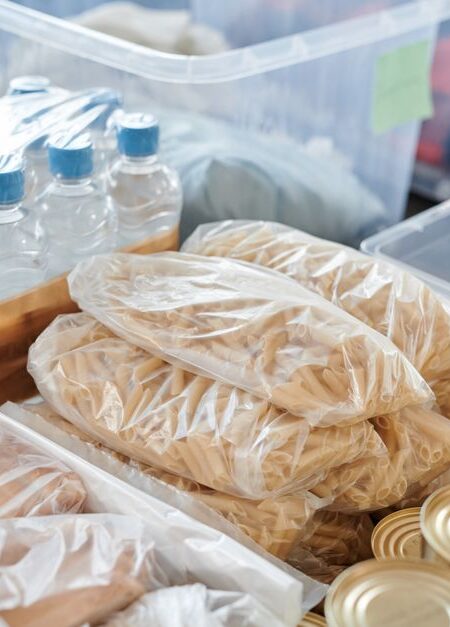




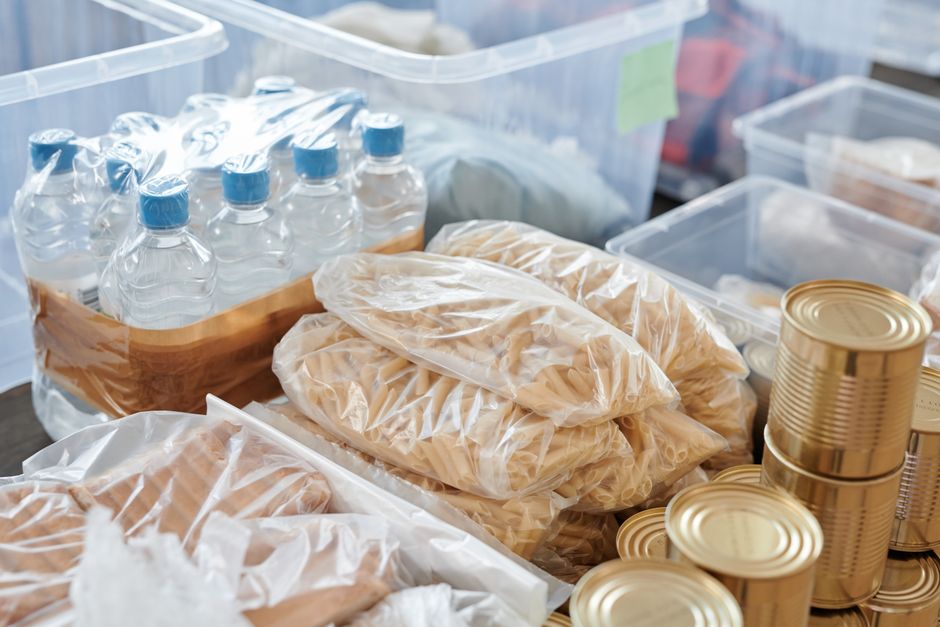
For many families, the idea of maintaining an emergency stockpile is not a practical option due to financial constraints. While experts recommend keeping reserves of essential supplies in case of natural disasters or supply chain disruptions, the cost of assembling and maintaining such stockpiles can be prohibitive for those living paycheck to paycheck.
Financial Barriers to Preparedness
Emergency preparedness guidelines often suggest storing several days’ worth of food, water, and other necessities. However, for individuals with limited income, purchasing extra supplies is a challenge. “When you’re struggling to cover basic expenses, buying additional food or medicine to set aside for emergencies just isn’t possible,” said a spokesperson for a local community organization.
According to recent surveys, a significant portion of the population lacks the resources to build and sustain emergency reserves. The rising cost of living, combined with stagnant wages, has made it increasingly difficult for many to prioritize preparedness over immediate needs.
Impact of Supply Chain Disruptions
The COVID-19 pandemic and subsequent supply chain issues highlighted the importance of having emergency supplies on hand. However, these events also underscored the disparities in preparedness between households with different income levels. While some were able to stock up on essentials, others faced empty shelves and limited purchasing power.
“We saw during the pandemic that those with more resources could buy in bulk and prepare for shortages, while low-income families had fewer options,” noted an analyst specializing in disaster response.
Community and Government Support
Some local governments and non-profit organizations have attempted to address these gaps by distributing emergency kits and providing guidance on low-cost preparedness strategies. Despite these efforts, the demand often exceeds available resources, leaving many without adequate support.
Experts emphasize the need for broader policy solutions to ensure that all households can access the supplies necessary for emergencies. “Preparedness should not be a privilege reserved for those who can afford it,” said the community organization spokesperson.
Looking Ahead
As extreme weather events and supply chain uncertainties continue to pose risks, the challenge of equitable emergency preparedness remains. Without targeted assistance and systemic changes, many families will continue to face barriers to building the stockpiles that experts recommend.

Other Articles
The Most Anticipated New Luxury Hotel Openings for 2027