





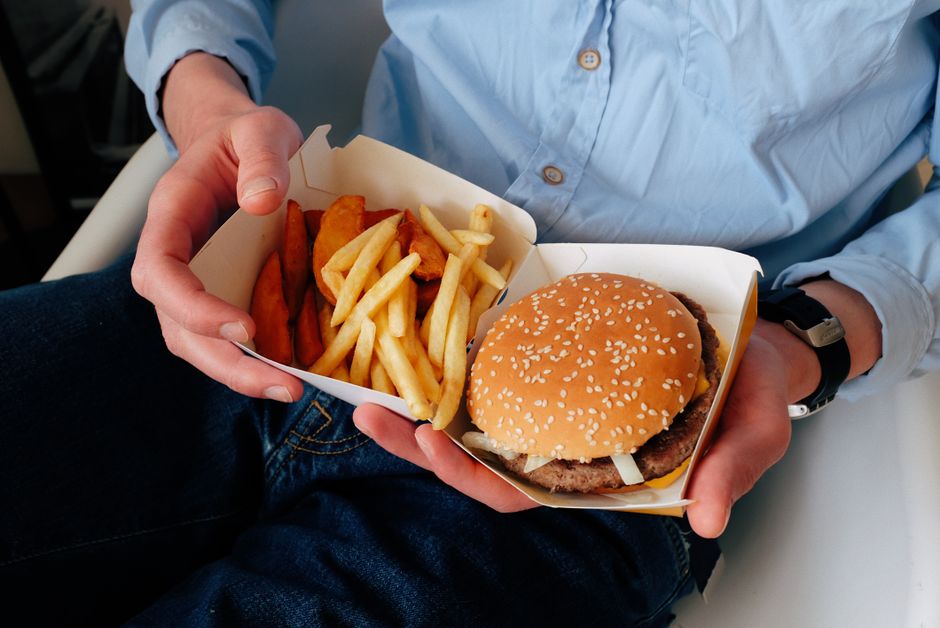
For many Americans, fast food has long been a convenient and affordable meal option. However, recent price increases have led some to view fast food as more of a luxury than a budget-friendly choice.
According to data from the U.S. Bureau of Labor Statistics, the cost of eating out has risen steadily over the past few years. In particular, prices for fast food and takeout have climbed at a faster rate than those for groceries. This trend has prompted consumers to reconsider how often they purchase meals from quick-service restaurants.
Several major fast food chains have reported menu price hikes in response to increased labor and ingredient costs. For example, McDonald’s noted in its 2023 earnings report that its prices had gone up by approximately 10% over the previous year. Other chains, including Wendy’s and Taco Bell, have implemented similar increases.
Customers have voiced concerns about the rising cost of items that were once considered inexpensive. A number of social media users have shared receipts showing that a basic meal can now cost more than $10 at some locations. “It used to be that you could get a burger, fries, and a drink for under $5,” said one customer. “Now, it feels like a treat instead of a regular option.”
Industry analysts suggest that higher prices may be affecting consumer behavior. Some families are opting to cook at home more often, while others are choosing less expensive menu items or skipping extras such as drinks and desserts. “We’re seeing a shift in how people approach fast food,” said restaurant consultant Mark Kalinowski. “It’s no longer the cheap alternative it once was.”
Despite the price increases, demand for fast food remains strong. Chains continue to report steady sales, and new locations are opening in many areas. However, some experts believe that ongoing inflation could further change how Americans view and consume fast food in the future.