






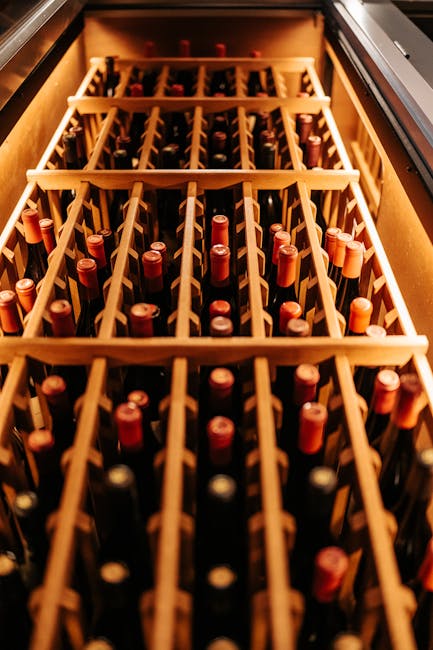
Wine collecting is undergoing a transformation as collectors increasingly focus on purpose-driven acquisitions, moving away from amassing large quantities toward more thoughtful curation. This shift reflects broader changes in the wine industry and evolving consumer preferences.
Changing Priorities Among Collectors
Traditionally, wine collectors sought to build extensive cellars, often prioritizing volume and prestige labels. However, a growing number of enthusiasts are now selecting bottles that hold personal significance or align with specific interests, such as sustainability, regional diversity, or unique production methods. This trend is prompting collectors to seek wines that tell a story or reflect their values, rather than simply accumulating well-known brands.
Industry Response to Evolving Tastes
Producers and retailers are adapting to these new priorities by offering more information about the origins, production techniques, and environmental impact of their wines. Many wineries are highlighting their commitment to organic or biodynamic practices, while retailers are curating selections that cater to collectors seeking distinctive or limited-edition releases. This approach aims to engage consumers who are interested in the narrative behind each bottle.
Market Implications
The shift toward intentional collecting is influencing market dynamics. Auction houses and secondary markets are seeing increased demand for rare and unique wines, while some traditional investment-grade labels are experiencing more selective interest. Experts note that collectors are becoming more discerning, often researching provenance and authenticity before making purchases.
Looking Ahead
As the wine collecting landscape continues to evolve, industry observers anticipate that intentionality will remain a driving force. Collectors are expected to place greater emphasis on quality, provenance, and personal connection, shaping the future of wine acquisition and appreciation.