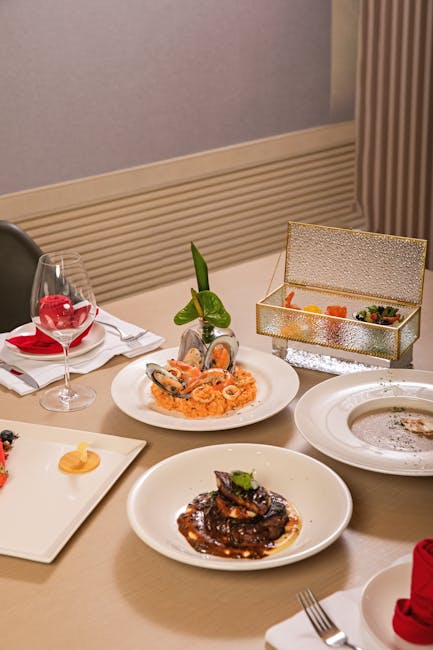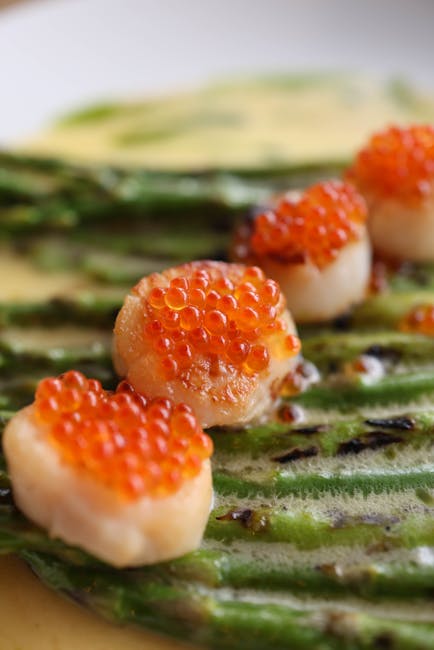






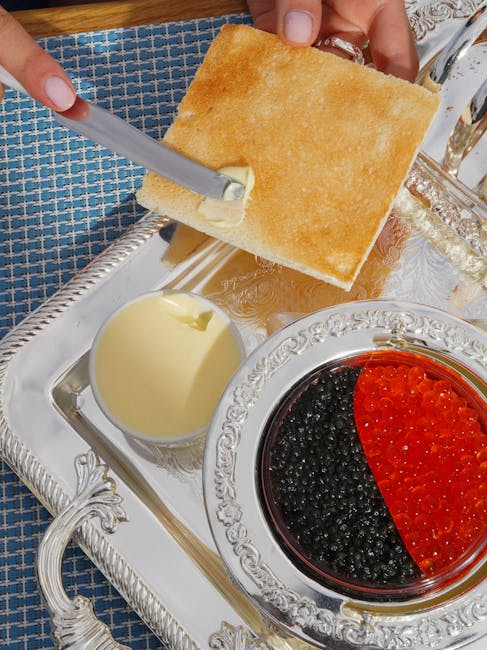
China is rapidly establishing itself as a significant force in the global luxury food market, with domestic producers now supplying high-end products such as caviar and foie gras to both local and international consumers.
Growth of Premium Food Production
Once reliant on imports for delicacies like caviar and foie gras, China has seen a surge in domestic production. Chinese companies are now exporting these luxury foods to markets in Europe and the United States, challenging established suppliers in countries such as France and Russia.
According to industry analysts, China’s caviar exports have increased in recent years, with the nation now ranking among the world’s leading producers. Chinese caviar is being served in Michelin-starred restaurants and luxury hotels globally, reflecting its growing reputation for quality.
Expansion of Domestic Demand
Rising incomes and changing consumer preferences have fueled demand for premium foods within China. Affluent Chinese consumers are seeking high-quality, imported-style products, prompting local producers to invest in advanced technology and international standards.
Foie gras, once considered an exclusively French delicacy, is now produced on a large scale in China. Domestic producers have adopted techniques from Europe to meet the tastes of Chinese consumers, who are increasingly interested in gourmet cuisine.
International Recognition and Challenges
Chinese luxury food producers have gained recognition at international competitions and food exhibitions. However, some industry experts note that challenges remain, including concerns about product authenticity and the need to further enhance global brand reputation.
Despite these hurdles, China’s presence in the luxury food sector continues to expand. Exporters are optimistic about future growth, citing increasing demand from both domestic and overseas markets.
Outlook for the Future
As China’s luxury food industry matures, analysts expect ongoing investment in quality control, branding, and international marketing. The country’s producers aim to compete directly with established European brands, positioning China as a key supplier of high-end delicacies worldwide.

Other Articles

A New Costes Hotel Opens in Paris
National Geographic-Lindblad Marks 60 Years of Expedition Travel