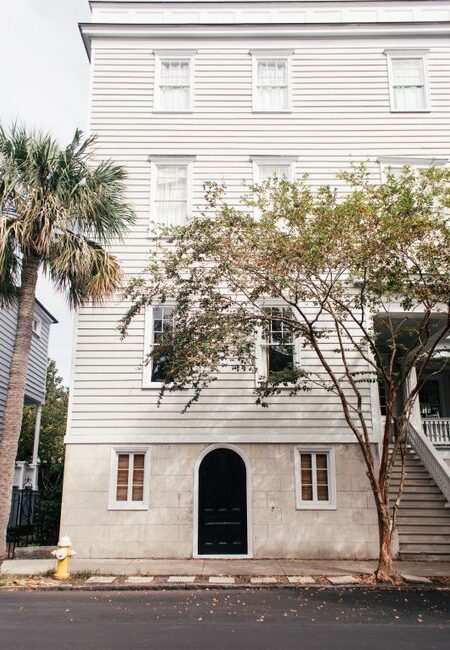







Branded residences, which combine private homes with hotel services, are becoming a significant part of the luxury hospitality sector. This trend is influencing the way high-end hotels are developed and operated around the world.
Growth of Branded Residences
The market for branded residences has expanded rapidly in recent years. According to industry analysts, there are now more than 640 branded residential projects globally, representing over 100,000 units. Major hotel brands such as Marriott, Four Seasons, and Accor have been active in this space, seeking to diversify their offerings and tap into new revenue streams.
Economic Impact on Hotel Development
Developers and hotel operators are increasingly incorporating branded residences into their projects. This approach can help reduce financial risk by allowing developers to sell residential units before the hotel opens, providing upfront capital. Additionally, branded residences can generate ongoing income through management fees and shared amenities.
“Branded residences offer a unique value proposition for both developers and buyers,” said a spokesperson for a leading hospitality consultancy. “For developers, it’s a way to de-risk projects and improve returns. For buyers, it’s about access to hotel-level services and amenities in a residential setting.”
Buyer Appeal and Market Drivers
Buyers are drawn to branded residences for several reasons, including the prestige of a well-known hotel brand, access to luxury amenities, and the potential for property value appreciation. In some markets, branded residences command a price premium of up to 30% compared to similar non-branded properties.
Demand for these properties is particularly strong in major cities and resort destinations. Factors such as increased global mobility, changing lifestyle preferences, and the desire for hassle-free ownership are contributing to the sector’s growth.
Challenges and Considerations
Despite their popularity, branded residences present certain challenges. Developers must carefully balance the needs of hotel guests and residential owners, ensuring that both groups receive appropriate levels of service and privacy. Regulatory issues and market saturation in some locations also pose potential risks.
Industry experts note that success in this segment depends on strong brand alignment, effective management, and a clear understanding of local market dynamics. “It’s not a one-size-fits-all model,” an analyst commented. “Each project requires a tailored approach to design, marketing, and operations.”
Future Outlook
The outlook for branded residences remains positive, with continued expansion expected in both established and emerging markets. As luxury hotel brands seek new ways to grow and differentiate themselves, branded residences are likely to play an increasingly important role in the evolution of the hospitality industry.

Luxury hotel brands lead U.S. hotel performance in H1 2026: Colliers report