






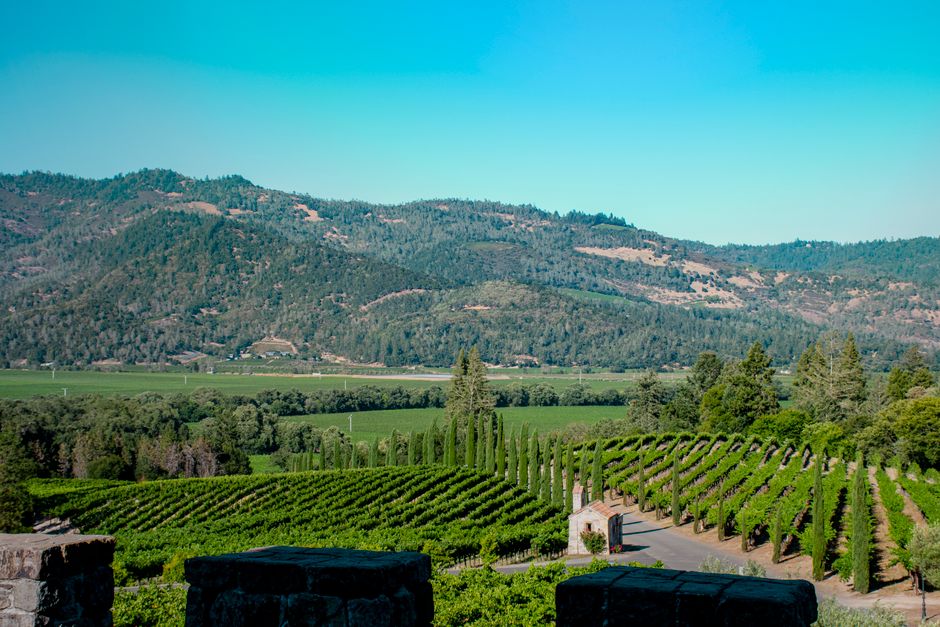
Texas Hill Country, known for its rolling landscapes and growing wine industry, is attracting significant attention from luxury hotel brands. As new high-end accommodations open in the region, questions arise about whether the area could become a destination comparable to California’s Napa Valley.
Luxury Hospitality Brands Invest in Hill Country
Several prominent hotel companies have announced plans to establish a presence in Texas Hill Country. Auberge Resorts Collection is set to open Bowie House in Fort Worth and has also revealed plans for a new property in Fredericksburg. Meanwhile, Marriott International’s Ritz-Carlton Reserve is developing a resort in Horseshoe Bay, and Miraval, part of Hyatt, is expanding its wellness resort offerings in the area.
According to industry analysts, this influx of luxury accommodations reflects both the region’s increasing popularity and the growth of its wine tourism sector. “Texas Hill Country is experiencing a surge in demand for upscale travel experiences,” said hospitality consultant John Fareed. “The arrival of these brands signals confidence in the area’s long-term appeal.”
Wine Tourism Drives Regional Growth
The Texas Hill Country American Viticultural Area (AVA) is the second-largest wine region in the United States, covering over nine million acres. More than 100 wineries operate in the region, drawing visitors from across the country. The area’s wine industry generated an estimated $13.1 billion in economic impact in 2022, according to the Texas Wine and Grape Growers Association.
Fredericksburg, a central town in the Hill Country, has become a focal point for wine tourism. Local officials report that the number of annual visitors has doubled over the past decade, reaching approximately 1.5 million in 2022. “We’re seeing more guests seeking luxury accommodations and curated experiences,” said Ernie Loeffler, president of the Fredericksburg Convention and Visitor Bureau.
Comparisons to Napa Valley
As the region’s profile rises, comparisons to California’s Napa Valley have become more frequent. Both areas are known for their scenic vineyards, boutique wineries, and culinary offerings. However, industry observers note key differences, including climate, grape varieties, and the scale of development.
“Texas Hill Country has its own unique character and challenges,” said wine writer Jessica Dupuy. “While there are similarities to Napa, the region is forging its own identity.”
Concerns About Rapid Development
The expansion of luxury hotels and increased tourism have raised concerns among some residents and environmental groups. Issues cited include water usage, traffic congestion, and the potential impact on the area’s rural character. Local officials have stated that they are working to balance economic growth with preservation efforts.
“We want to ensure that development is sustainable and respects the natural beauty of the Hill Country,” said Gillespie County Commissioner Dennis Neffendorf.
Outlook for the Region
With luxury hospitality brands continuing to invest and wine tourism on the rise, Texas Hill Country appears poised for further growth. Whether it will achieve the same level of recognition as Napa Valley remains to be seen, but industry leaders are optimistic about the region’s future.