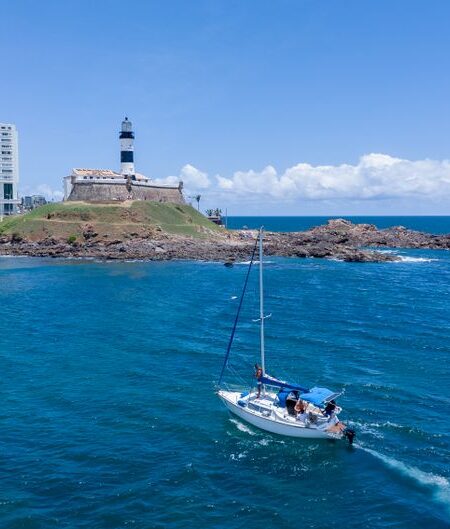






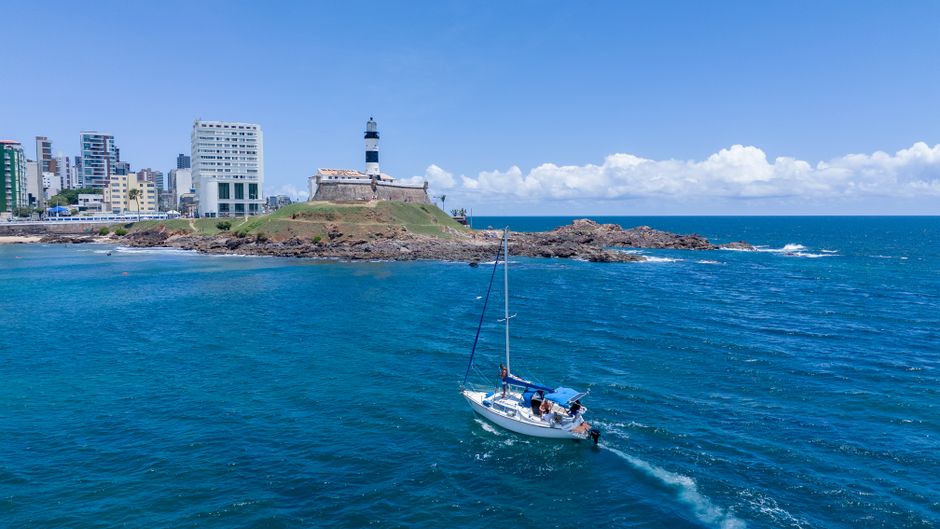
Brazil’s extensive coastline, stretching over 7,000 kilometers, offers a unique perspective when viewed from the sea. Sailing along the country’s shores provides access to remote beaches, secluded coves, and vibrant coastal towns that are often inaccessible by land.
Discovering Hidden Destinations
Travelers who choose to explore Brazil by boat can reach destinations that are difficult to access otherwise. The coast is dotted with islands and bays, including the renowned Ilha Grande and the tranquil waters of Angra dos Reis. These locations are known for their clear waters and abundant marine life, attracting visitors seeking natural beauty and tranquility.
Local Culture and Maritime Traditions
Many coastal communities in Brazil maintain strong maritime traditions. In towns such as Paraty, colonial architecture lines the waterfront, and local fishermen continue to use traditional wooden boats. Visitors sailing these waters often encounter cultural festivals and local markets, providing insight into the region’s heritage.
Ideal Conditions for Sailing
The Brazilian coast is favored by consistent winds and a tropical climate, making it suitable for sailing throughout the year. The region’s weather patterns allow for smooth navigation, and the presence of numerous anchorages offers safe harbor for vessels of all sizes.
Marine Biodiversity
The waters off Brazil’s coast are home to a variety of marine species. Dolphins, sea turtles, and colorful fish are commonly seen by those traveling by boat. The area’s coral reefs and underwater landscapes are popular among snorkelers and divers, further enhancing the appeal of a sailing journey.
Planning a Sailing Trip
Chartering a boat is a common way to experience Brazil’s coastline. Options range from private yachts to group tours, catering to different preferences and budgets. Local operators provide guidance on routes, weather conditions, and recommended stops along the way.
Environmental Considerations
Preserving Brazil’s coastal ecosystems is a priority for many organizations and local authorities. Visitors are encouraged to follow responsible tourism practices, including minimizing waste and respecting protected areas. Efforts to maintain the natural environment contribute to the sustainability of coastal tourism.