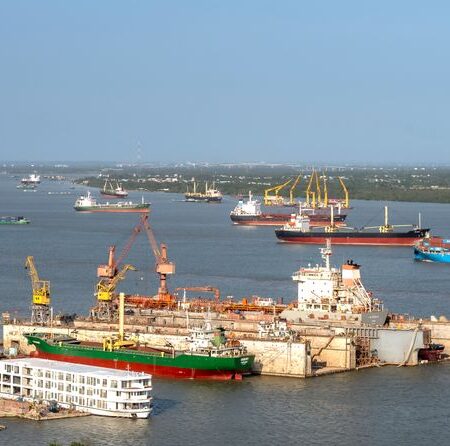






Asia’s cruise sector is experiencing rapid expansion as more travelers opt to explore the continent’s diverse destinations by ship. Industry data indicates a notable increase in cruise itineraries and passenger numbers across the region, with experts highlighting the unique advantages of discovering Asia via sea routes.
Rising Popularity of Asian Cruises
According to recent reports, cruise bookings in Asia have surged, with both international and regional travelers showing heightened interest. Cruise Lines International Association (CLIA) data reveals that the number of cruise passengers in Asia reached 4.24 million in 2019, and industry leaders anticipate a return to or surpassing of these figures as travel restrictions ease.
“Asia offers an unparalleled variety of cultures, cuisines, and landscapes, all accessible within a single voyage,” said Joel Katz, managing director for CLIA Australasia & Asia. “Cruising provides a convenient way to experience multiple destinations without the need for repeated packing or airport transfers.”
Key Destinations and Itineraries
Major cruise lines have expanded their presence in Asia, with itineraries covering destinations such as Japan, South Korea, Vietnam, Thailand, and Singapore. Ports like Hong Kong, Shanghai, and Singapore serve as prominent embarkation points, offering access to both established and emerging cruise routes.
Among the most popular journeys are those that include stops in cities like Tokyo, Ho Chi Minh City, and Busan. These itineraries often feature a mix of urban exploration and visits to less-traveled coastal towns, providing a comprehensive view of the region’s cultural and natural attractions.
Advantages of Exploring Asia by Cruise
Travel experts note that cruising allows passengers to visit multiple countries efficiently, often bypassing the logistical challenges associated with overland travel. Ships offer a range of amenities and shore excursions, catering to a variety of interests and travel styles.
“Cruises in Asia are designed to showcase the region’s diversity, from ancient temples to modern cities and pristine beaches,” said a spokesperson for a leading cruise operator. “Guests can enjoy immersive experiences both onboard and ashore.”
Future Outlook for Asia’s Cruise Industry
The cruise industry in Asia is expected to continue its upward trajectory, with new ships and itineraries being introduced to meet growing demand. Industry analysts point to increasing investment in port infrastructure and the development of new routes as factors supporting this growth.

Other Articles
12 Months, 12 Reasons to Travel: Your 2027 Calendar