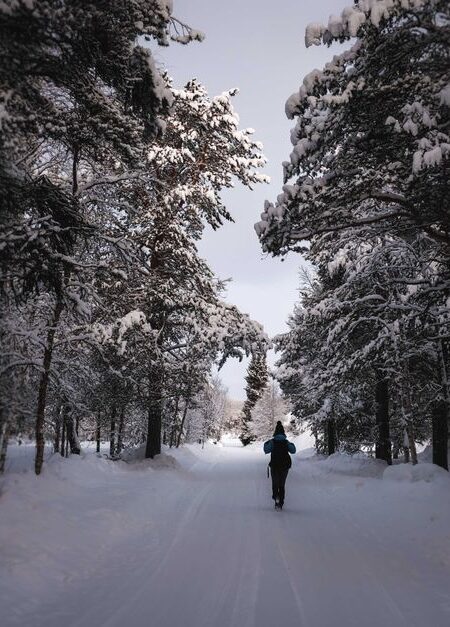



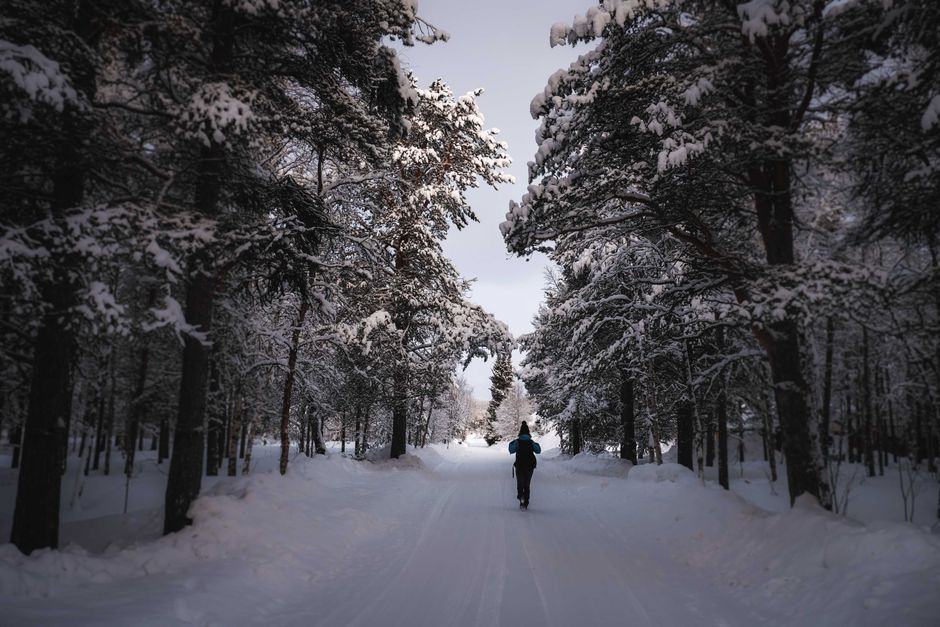
Finland’s winter tourism industry is experiencing a notable transformation as demand for high-end accommodations and exclusive experiences continues to rise. Traditionally known for its rustic cabins and natural attractions, the country is now attracting visitors seeking luxury lodgings and personalized services.
Growing Interest in Premium Offerings
Recent data indicates a significant increase in bookings for upscale hotels and private chalets, particularly in Lapland. According to Visit Finland, the national tourism board, the number of overnight stays by foreign tourists in Lapland reached 1.5 million in the 2022-2023 winter season, marking a 20% increase compared to the previous year.
“We have seen a clear trend toward more luxurious travel,” said Sanna Kärkkäinen, CEO of Visit Rovaniemi. “Visitors are looking for unique experiences, such as glass igloos, private saunas, and gourmet dining in the wilderness.”
International Visitors Drive Demand
The rise in luxury tourism is largely attributed to travelers from the United Kingdom, France, and Germany, who account for a substantial portion of winter arrivals. Tour operators report that these visitors are willing to pay premium prices for exclusive activities, including private snowmobile safaris, reindeer sleigh rides, and guided Northern Lights tours.
“Our clients expect a high level of service and comfort,” said Jari Virtanen, managing director of a leading Lapland resort. “We have expanded our offerings to include spa treatments, fine dining, and tailored excursions.”
Investment in Infrastructure
To accommodate the growing demand, several new luxury hotels and resorts have opened in recent years. The Arctic TreeHouse Hotel in Rovaniemi and the Octola Private Wilderness in Finnish Lapland are among the properties that have gained international recognition for their distinctive architecture and premium amenities.
Local authorities and private investors are also working to improve transportation links and airport facilities to support the influx of high-spending tourists. The Finnish government has allocated additional funding for infrastructure projects in key tourism regions.
Balancing Growth and Sustainability
While the upmarket shift has brought economic benefits to local communities, industry leaders emphasize the importance of sustainable development. Efforts are underway to minimize environmental impact and preserve the natural beauty that attracts visitors to Finland’s Arctic regions.
“Sustainability is at the core of our strategy,” Kärkkäinen stated. “We want to ensure that tourism growth does not compromise the environment or the well-being of local residents.”
Outlook for the Future
With winter tourism expected to remain strong, Finland’s hospitality sector is likely to continue its focus on luxury and sustainability. Industry analysts predict that the trend toward premium experiences will shape the country’s tourism landscape in the years ahead.

Other Articles
The Texas Hill Country Is Getting Upscale. Here’s Where to Go.