




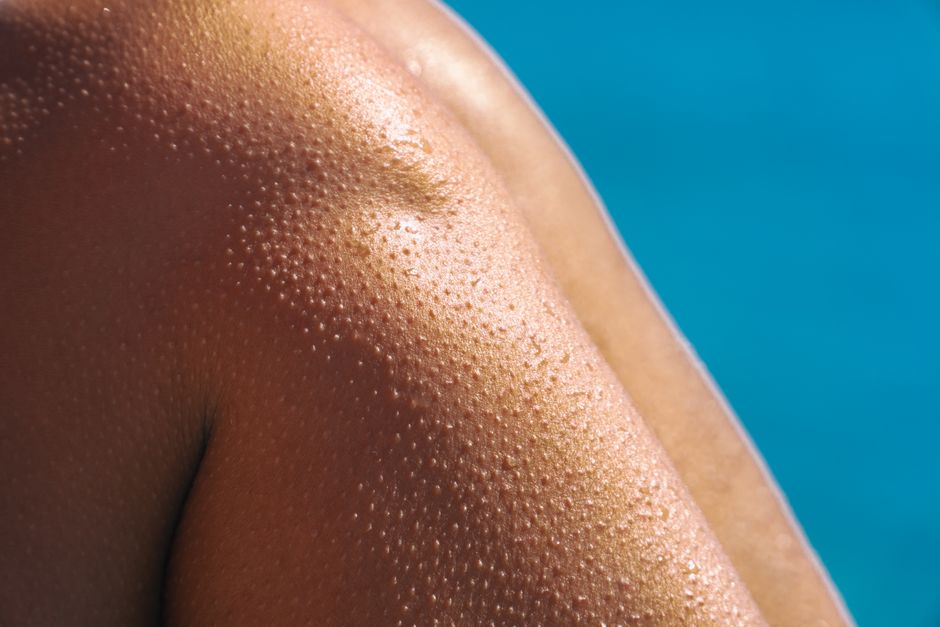
As summer concludes, many individuals begin to notice changes in their skin following months of exposure to sunlight, elevated temperatures, and potential dehydration. Dermatologists report that these seasonal factors can lead to a range of skin concerns, including dryness, pigmentation, and premature aging.
Visible Effects of Summer on the Skin
Prolonged sun exposure during the warmer months often results in visible skin changes. Dr. Samantha Ellis, a board-certified dermatologist, notes, “UV radiation can accelerate the breakdown of collagen and elastin, which are essential for maintaining skin’s firmness and elasticity.” She adds that this process may contribute to the development of fine lines, wrinkles, and uneven skin tone.
In addition to UV exposure, high temperatures and humidity can exacerbate oil production, potentially leading to clogged pores and breakouts. “Sweat and excess oil can accumulate on the skin, increasing the risk of acne flare-ups,” explains Dr. Ellis.
Dehydration’s Impact on Skin Health
Dehydration is another common issue during the summer months, as increased perspiration can lead to moisture loss. Dr. Michael Green, a dermatologist, states, “When the skin is dehydrated, it may appear dull, feel tight, and become more susceptible to irritation.” He recommends replenishing moisture with hydrating serums and creams to help restore the skin’s natural barrier.
Addressing Post-Summer Skin Concerns
To counteract the effects of sun, heat, and dehydration, experts suggest adopting a targeted skincare routine. Gentle exfoliation can help remove dead skin cells and promote cell turnover, while the use of antioxidants such as vitamin C may assist in reducing pigmentation and supporting skin repair.
“Incorporating products with hyaluronic acid can boost hydration levels, and applying broad-spectrum sunscreen daily remains crucial, even after summer,” advises Dr. Green. He also recommends consulting a dermatologist for personalized guidance, particularly for individuals experiencing persistent skin issues.
Long-Term Skin Protection Strategies
Dermatologists emphasize the importance of ongoing sun protection and hydration throughout the year. Wearing protective clothing, seeking shade during peak sun hours, and maintaining a consistent skincare regimen are key measures for preserving skin health.

Other Articles
The Definition of Luxury Hotel Marketing is Incomplete