




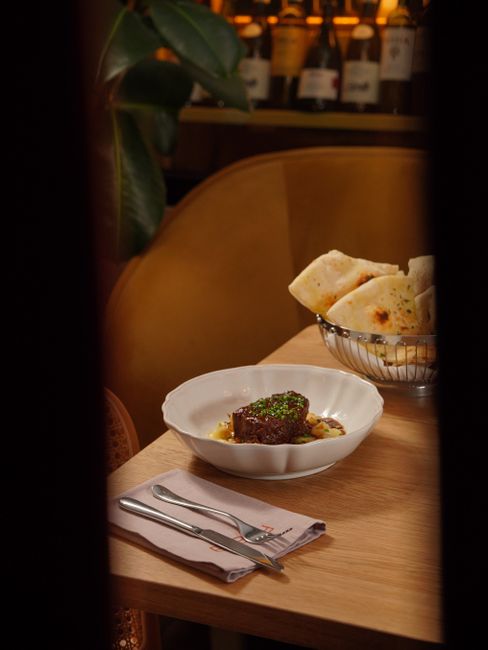
Restaurants with a distinct fashion focus are gaining attention as a new trend in the hospitality sector. These venues, often launched by fashion brands or in collaboration with designers, are attracting diners interested in more than just food. The emergence of these establishments suggests a growing intersection between the culinary world and the fashion industry.
Fashion Brands Enter the Restaurant Scene
Several fashion houses have recently opened restaurants, cafes, and bars in major cities. These ventures are designed to extend the brand experience beyond clothing and accessories. For example, Gucci has established Gucci Osteria in Florence, Beverly Hills, and Tokyo, while Ralph Lauren operates Ralph’s in Paris and The Polo Bar in New York. These spaces are curated to reflect the aesthetics and values of their respective brands, offering patrons a unique environment that blends dining with fashion.
Dining as an Extension of Brand Identity
Industry observers note that these restaurants serve as an extension of a brand’s identity. “It’s about creating a lifestyle around the brand,” said a representative from a global hospitality consultancy. The design, menu, and overall atmosphere are carefully crafted to align with the brand’s image. This approach allows fashion companies to engage with consumers in new ways, fostering deeper loyalty and expanding their reach beyond traditional retail.
Consumer Demand for Unique Experiences
The rise of fashion-themed dining is partly driven by consumer demand for distinctive experiences. Diners are increasingly seeking venues that offer more than standard meals. According to a recent survey by a market research firm, 62% of respondents said they were interested in visiting restaurants associated with fashion brands. This trend is particularly evident among younger consumers, who value experiential offerings and shareable moments on social media.
Challenges and Opportunities
While the concept of fashion-branded dining presents opportunities, it also comes with challenges. Experts point out that maintaining culinary excellence is essential for long-term success. “The food has to be as good as the design,” noted a hospitality analyst. Additionally, these ventures require significant investment and ongoing management to ensure consistency with the brand’s standards.
Future Outlook
As more fashion companies explore the hospitality sector, analysts predict that niche dining could become a prominent feature of the industry. The integration of fashion and food offers brands a new avenue for growth and consumer engagement. Whether this trend will have lasting impact remains to be seen, but current developments indicate that the convergence of dining and fashion is gaining momentum.

Other Articles

The $650 steak: Nashville’s booming luxury dining scene
Uniworld Launches 2028 With Three New Vessels